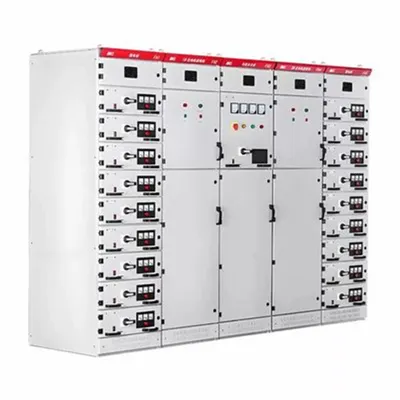
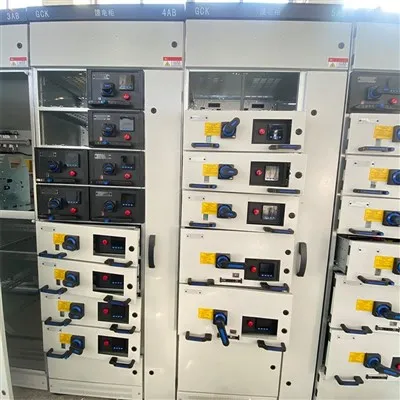
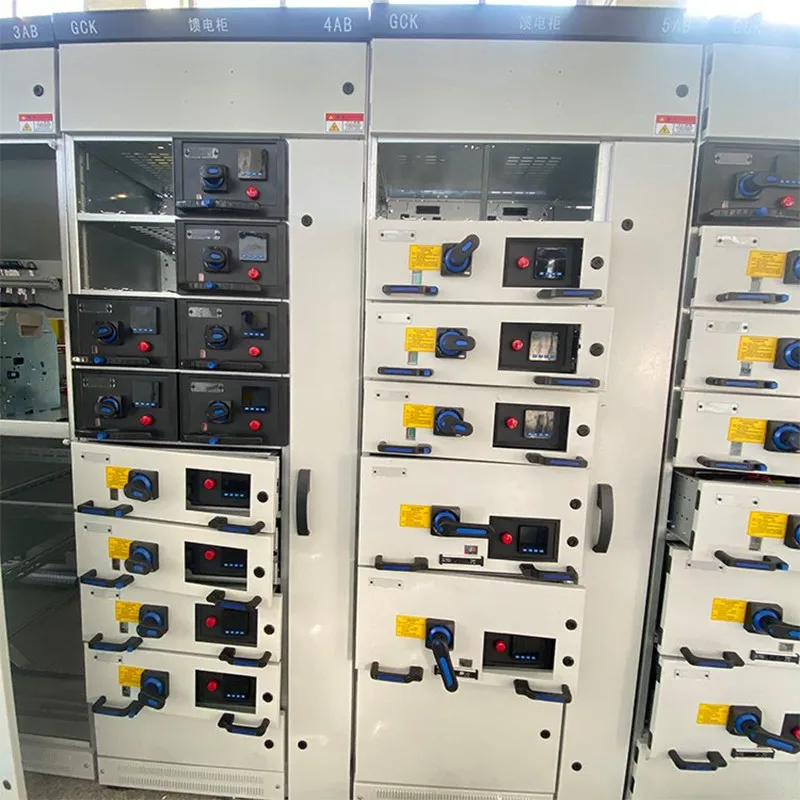
Hey there! As a supplier of Low Tension Switchgear, I'm super stoked to share with you all about the test items for this essential equipment. Low Tension Switchgear plays a crucial role in electrical power distribution systems, and ensuring its proper functioning is of utmost importance. So, let's dive right in and explore what these test items are all about.
Visual Inspection
The first step in testing low tension switchgear is a thorough visual inspection. This is like giving your switchgear a once - over to make sure everything looks good on the surface. We check for any obvious signs of damage, like cracks in the cabinet, loose connections, or signs of overheating. Any visible wear and tear can indicate potential problems down the line. For example, if there are loose wires, it could lead to short circuits or poor electrical conductivity.

Insulation Resistance Test
One of the most important tests is the insulation resistance test. This test measures the resistance of the insulation materials used in the switchgear. Good insulation is vital to prevent electrical leakage and short circuits. We use a megohmmeter to measure the insulation resistance. A high insulation resistance value indicates that the insulation is in good condition. If the value is too low, it could mean that the insulation has been damaged, maybe due to moisture or age. This test is usually carried out with the switchgear de - energized to ensure accurate results.
Contact Resistance Test
Next up is the contact resistance test. In low tension switchgear, the contacts are where the electrical current flows. Over time, these contacts can wear out or become corroded, which can increase the contact resistance. High contact resistance can lead to excessive heat generation, which is a major safety hazard. We use a micro - ohmmeter to measure the contact resistance. By measuring the resistance at the contacts, we can determine if they need to be cleaned, tightened, or replaced.
Temperature Rise Test
The temperature rise test is another critical test. During normal operation, the switchgear components generate heat. If the heat isn't dissipated properly, it can cause damage to the equipment and even pose a fire risk. We use thermal imaging cameras or temperature sensors to monitor the temperature of the switchgear components during a load test. The test is carried out under normal operating conditions, and we measure the temperature rise over a specific period. If the temperature rise exceeds the specified limits, it indicates that there might be an issue with the equipment, such as overloading or poor ventilation.
Short - Circuit Withstand Test
Low tension switchgear needs to be able to withstand short - circuit currents without getting damaged. The short - circuit withstand test simulates a short - circuit condition to check if the switchgear can handle the high currents. This test is carried out using a short - circuit test set. The switchgear is subjected to a high - current short - circuit for a short period, and we observe if it can interrupt the short - circuit current safely and without any damage. This test is crucial to ensure the safety and reliability of the switchgear in case of a short - circuit in the electrical system.
Functionality Test
The functionality test is all about making sure that the switchgear operates as intended. We test all the functions of the switchgear, such as switching on and off, protection relays, and control circuits. For example, we check if the circuit breakers can trip correctly when there is an over - current or short - circuit. We also test the communication interfaces of the switchgear to ensure that it can communicate with other components in the electrical system. This test is essential to verify that the switchgear can perform its functions effectively in a real - world scenario.
Grounding Resistance Test
Proper grounding is essential for the safety of the switchgear and the people working around it. The grounding resistance test measures the resistance of the grounding system. A low grounding resistance ensures that in case of a fault, the electrical current can flow safely to the ground. We use a grounding resistance tester to measure the resistance. If the grounding resistance is too high, it could mean that the grounding system is not working properly, which can lead to electrical shock hazards.
Now, let's talk about some related products that you might be interested in. If you're looking for high - voltage solutions, you can check out our High Voltage Panels. These panels are designed to handle high - voltage electrical systems and are built with top - notch safety features.
For indoor power distribution, our Indoor Distribution Box is a great option. It provides a reliable and efficient way to distribute electrical power indoors.
And if you need accurate metering and distribution, our Metering Distribution Cabinet is the way to go. It helps in measuring and controlling the electrical power consumption accurately.
If you're in the market for low tension switchgear or any of the related products, we'd love to have a chat with you. Whether you have questions about the test items, need a customized solution, or just want to know more about our products, don't hesitate to reach out. We're here to help you make the best choice for your electrical power distribution needs.
References
- Electrical Installation Handbook, Schneider Electric
- IEC 61439 - Low - voltage switchgear and controlgear assemblies standards