Hey there! As a supplier of steel structure corridors, I often get asked about the cost breakdowns for these structures. So, I thought I'd take a moment to break it down for you.
1. Material Costs
The first and most obvious cost is the material. Steel is the primary material used in steel structure corridors, and the price can vary widely depending on the type and quality of steel.
- Structural Steel: This is the backbone of the corridor. High - strength structural steel is usually more expensive but offers better durability and load - bearing capacity. For example, if you're building a large - scale corridor that needs to support heavy loads like equipment or a large number of people, you'll need top - notch structural steel. The cost of structural steel can range from $500 to $1500 per ton, depending on market conditions.
- Surface Treatment Materials: To protect the steel from corrosion, we often use coatings. Galvanizing is a popular choice, which involves coating the steel with a layer of zinc. The cost of galvanizing can add around $100 - $300 per ton to the overall material cost. Another option is painting, which is relatively cheaper, with costs ranging from $50 - $150 per ton.
2. Design and Engineering Costs
A well - designed steel structure corridor is crucial for its functionality and safety. Design and engineering costs can account for a significant portion of the total cost.
- Architectural Design: An architect will design the overall look and layout of the corridor. This includes factors like the shape, size, and aesthetic elements. Architectural design fees can range from 5% to 15% of the total project cost, depending on the complexity of the design.
- Structural Engineering: A structural engineer is responsible for ensuring that the corridor can withstand various loads, such as wind, snow, and seismic forces. Structural engineering fees are usually around 3% to 8% of the total project cost.
3. Fabrication Costs
Once the design is finalized, the steel needs to be fabricated. Fabrication involves cutting, welding, and assembling the steel components.
- Labor Costs: Skilled labor is required for the fabrication process. The labor cost can vary depending on the region and the complexity of the fabrication. On average, labor costs for steel fabrication can range from $50 to $150 per hour per worker.
- Equipment and Machinery: Specialized equipment and machinery are needed for fabrication, such as cutting machines, welding machines, and cranes. The cost of using this equipment is factored into the fabrication cost. This can add up to around 10% - 20% of the total fabrication cost.
4. Transportation Costs
Transporting the fabricated steel components to the construction site is another cost to consider.
- Distance: The farther the construction site is from the fabrication facility, the higher the transportation cost. For short - distance transportation, the cost might be around $100 - $300 per trip, while for long - distance transportation, it can go up to $1000 or more.
- Size and Weight: Larger and heavier steel components require special transportation equipment, which can increase the cost. Oversized loads may also require special permits, adding to the overall transportation cost.
5. Installation Costs
Installing the steel structure corridor at the construction site is a complex process that requires skilled labor and proper equipment.
- Labor: Installation labor costs can be significant. Workers need to assemble the steel components on - site, which can take several days or even weeks depending on the size of the corridor. Installation labor costs can range from $100 to $300 per day per worker.
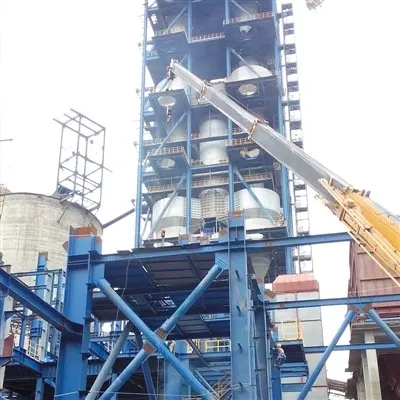
- Equipment: Cranes and other lifting equipment are needed for installation. The rental cost of this equipment can add up quickly, especially for large - scale projects. On average, crane rental can cost around $500 - $2000 per day.
6. Miscellaneous Costs
There are also some miscellaneous costs that need to be considered.
- Permits and Approvals: Before starting the construction, you need to obtain various permits from local authorities. The cost of these permits can vary depending on the location and the type of project. It can range from a few hundred dollars to several thousand dollars.
- Contingency: It's always a good idea to set aside some money for unexpected expenses. A contingency fund of around 5% - 10% of the total project cost is usually recommended.
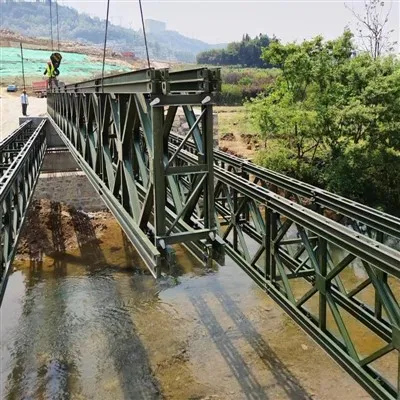
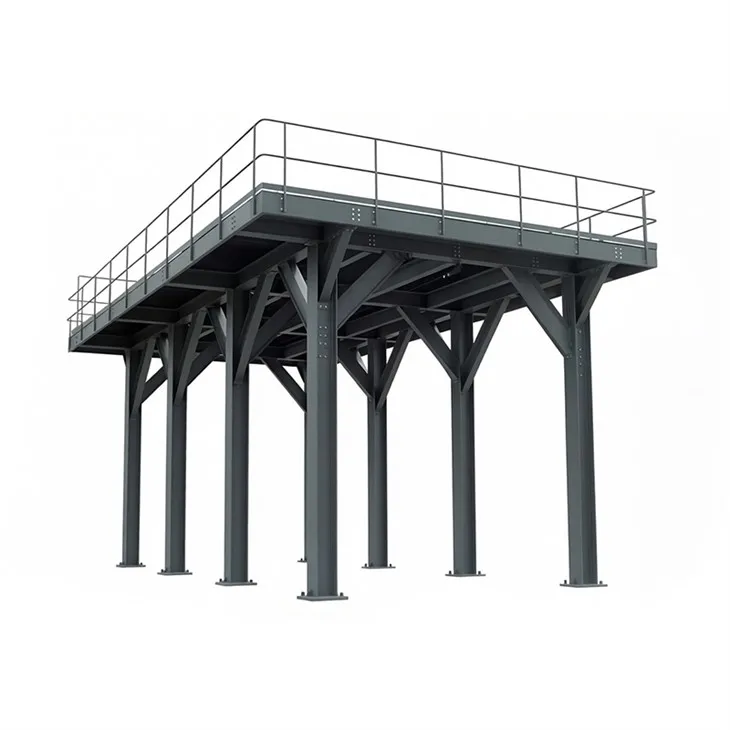
Now, let's talk about some related products that might interest you. If you're also looking for steel carport trusses, you can check out Steel Carport Trusses. For those in need of a steel frame bridge, take a look at Steel Frame Bridge. And if you're considering a platform steel structure, Platform Steel Structure is worth exploring.
If you're thinking about purchasing a steel structure corridor or any of these related products, I encourage you to reach out for a detailed quote and to discuss your specific requirements. We're here to help you make the best decision for your project.

References
- "Steel Structure Design Handbook"
- "Cost Estimation for Construction Projects"