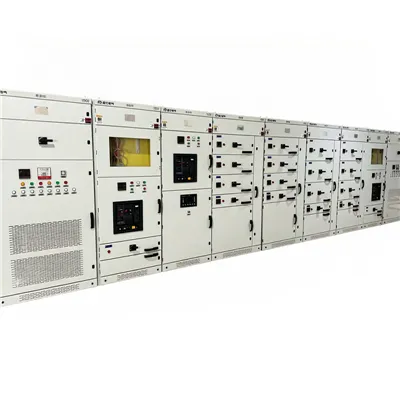
As a supplier of Withdrawable Switchgear, I understand the critical importance of testing the electrical life of this equipment. The electrical life of a Withdrawable Switchgear is a key indicator of its reliability and performance over time. In this blog, I will share some scientific and reasonable methods for testing the electrical life of Withdrawable Switchgear.
Understanding the Concept of Electrical Life
The electrical life of a Withdrawable Switchgear refers to the number of times it can perform normal switching operations under specified electrical and mechanical conditions before it fails to meet the required performance criteria. This is different from the mechanical life, which only considers the number of mechanical operations without the influence of electrical loads.
Factors Affecting the Electrical Life
- Load Current: High load currents can cause excessive heating and arcing, which can damage the contacts of the switchgear. The magnitude and duration of the load current have a significant impact on the electrical life.
- Voltage: The voltage level affects the arc characteristics during switching. Higher voltages can lead to more severe arcing, which may erode the contacts and reduce the electrical life.
- Switching Frequency: Frequent switching operations increase the wear and tear on the contacts, shortening the electrical life.
- Ambient Conditions: Temperature, humidity, and the presence of dust or corrosive substances in the environment can also affect the performance and electrical life of the switchgear.
Testing Methods
1. Laboratory Testing
- Test Setup: In a laboratory environment, a test circuit is set up to simulate the actual operating conditions of the Withdrawable Switchgear. The test circuit typically includes a power source, a load, and measuring instruments to monitor the electrical parameters such as current, voltage, and power.
- Test Procedure:
- Initial Inspection: Before the test, the switchgear is thoroughly inspected to ensure that it is in good condition. The contacts are checked for proper alignment and cleanliness.
- Loading Conditions: The switchgear is subjected to a specified load current and voltage. The load can be resistive, inductive, or a combination of both, depending on the intended application of the switchgear.
- Switching Operations: The switchgear is repeatedly switched on and off at a specified frequency. The number of switching operations is recorded.
- Monitoring: During the test, the electrical parameters are continuously monitored. Any abnormal changes in current, voltage, or power are noted. The contacts are also inspected periodically for signs of wear and damage.
- Failure Criteria: The test is considered to be over when the switchgear fails to meet the specified performance criteria, such as an increase in contact resistance, a decrease in insulation resistance, or a failure to open or close properly.
2. Field Testing
- Installation and Monitoring: In field testing, the Withdrawable Switchgear is installed in its actual operating environment. Sensors are installed to monitor the electrical parameters and the number of switching operations.
- Long - Term Monitoring: The switchgear is monitored over a long period of time, typically several months or years. This allows for the collection of real - world data on the performance of the switchgear under actual operating conditions.
- Analysis of Data: The data collected from field testing is analyzed to determine the electrical life of the switchgear. Any trends or patterns in the data can be used to predict the remaining electrical life and to identify potential problems.
Importance of Testing
- Quality Assurance: Testing the electrical life of Withdrawable Switchgear ensures that the product meets the required quality standards. It helps to identify any design or manufacturing defects before the switchgear is put into service.
- Reliability: A switchgear with a long electrical life is more reliable, reducing the risk of downtime and maintenance costs. This is especially important in critical applications such as power generation, distribution, and industrial processes.
- Safety: Testing helps to ensure the safety of the switchgear. A switchgear that fails during operation can pose a serious safety hazard to personnel and equipment.
Our Company's Approach
As a Withdrawable Switchgear supplier, we are committed to providing high - quality products. We conduct comprehensive laboratory testing on all our switchgear to ensure that they meet or exceed the industry standards. In addition, we also collect field data from our customers to continuously improve the design and performance of our products.
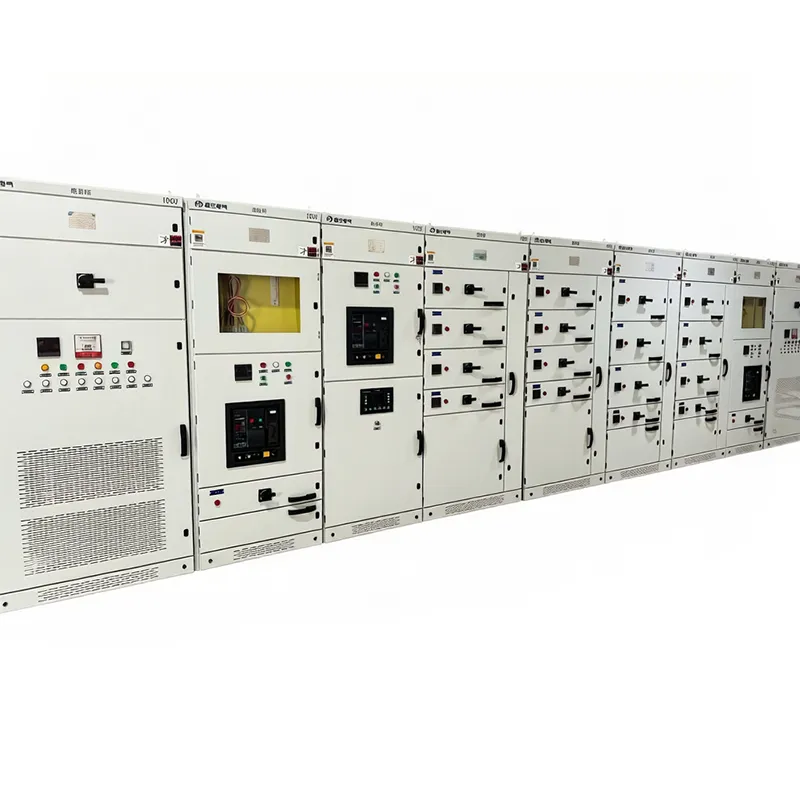
We offer a wide range of Withdrawable Switchgear products to meet the diverse needs of our customers. Our switchgear is designed to be reliable, safe, and easy to maintain. We also provide HV LV Switchgear, Explosion Proof Distribution Cabinet, Indoor Distribution Box, and DC Distribution Cabinet to provide a complete power distribution solution.
Contact Us for Procurement
If you are interested in our Withdrawable Switchgear or other power distribution equipment, please feel free to contact us for procurement discussions. We have a professional sales team that can provide you with detailed product information, technical support, and competitive pricing. We look forward to working with you to meet your power distribution needs.

References
- IEC 62271 - 100: High - voltage switchgear and controlgear - Part 100: AC circuit - breakers
- IEEE C37.04: American National Standard Rating Structure for AC High - Voltage Circuit Breakers Rated on a Symmetrical Current Basis
- ANSI C37.50: Standard for AC High - Voltage Generator Circuit Breakers