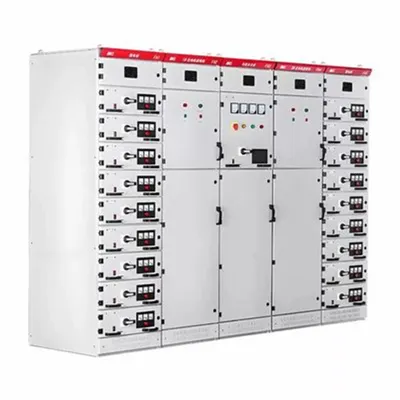
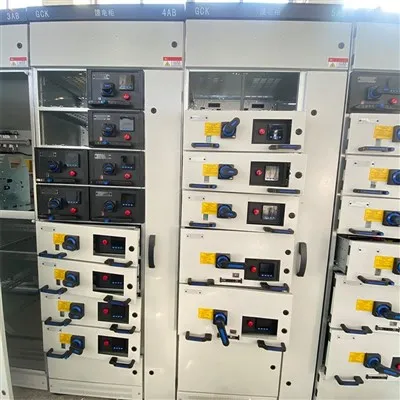
As a trusted supplier of Fixed Type Switchgear, I understand the importance of a seamless installation process. In this blog, I'll guide you through the steps of installing Fixed Type Switchgear, ensuring that you can make the most of this reliable electrical equipment.
Understanding Fixed Type Switchgear
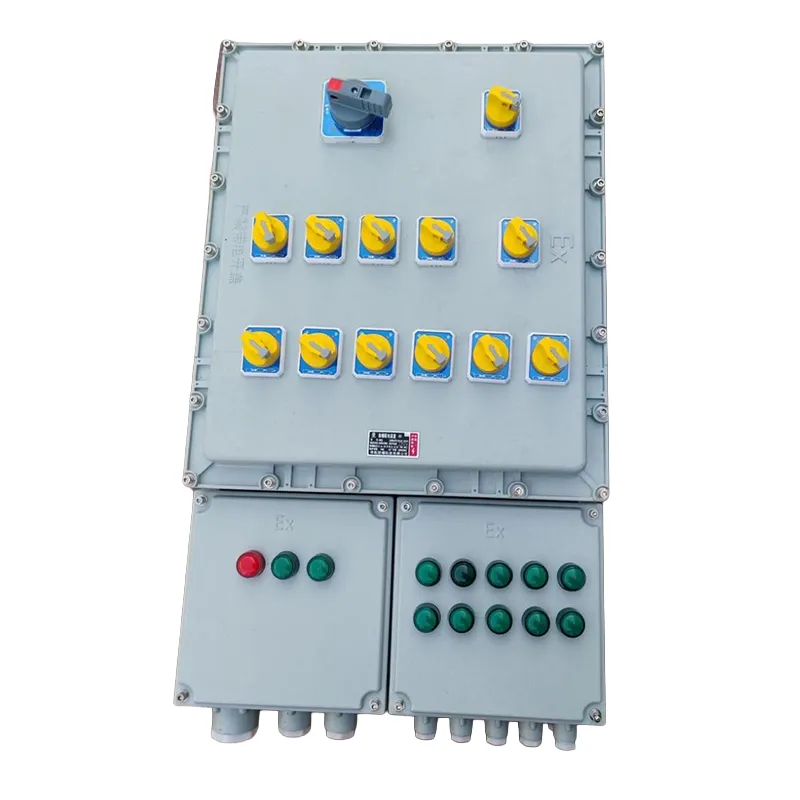
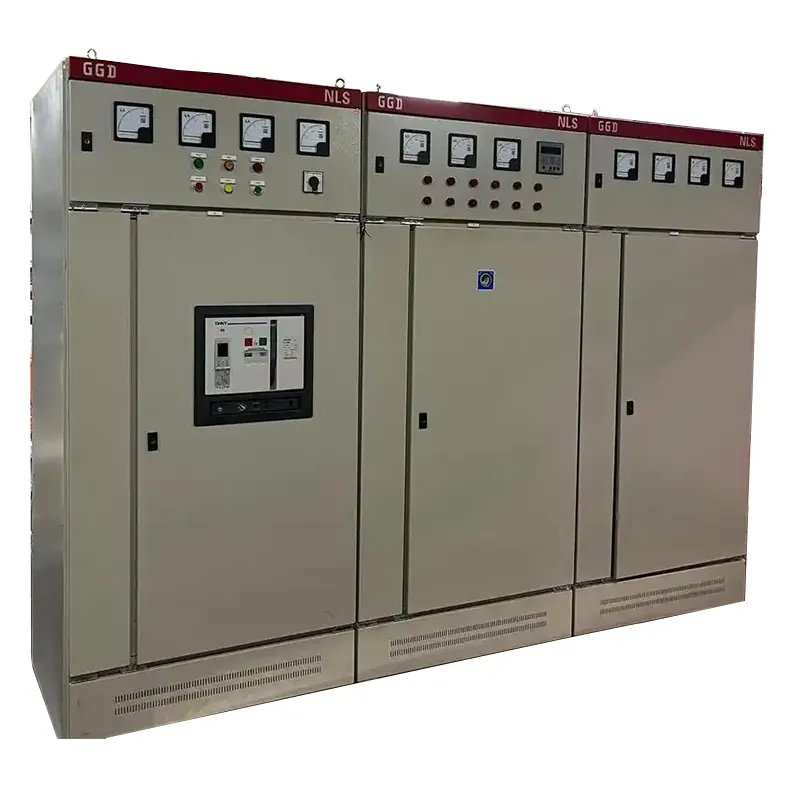
Before diving into the installation process, it's crucial to understand what Fixed Type Switchgear is. Fixed Type Switchgear is a type of electrical switchgear where the circuit breakers and other components are permanently installed in the switchgear enclosure. This design provides a high level of reliability and safety, making it suitable for a wide range of applications, including industrial, commercial, and residential settings.
Pre - installation Preparations
- Site Inspection
- First and foremost, conduct a thorough site inspection. Check the location where the switchgear will be installed. Ensure that the area is clean, dry, and free from any potential sources of damage or interference. The floor should be level and able to support the weight of the switchgear.
- Measure the dimensions of the installation area to ensure that the switchgear will fit properly. Consider the clearance requirements around the switchgear for maintenance and operation.
- Documentation Review
- Carefully review all the documentation provided with the Fixed Type Switchgear. This includes the installation manual, wiring diagrams, and safety instructions. Familiarize yourself with the technical specifications of the switchgear, such as its rated current, voltage, and short - circuit withstand capacity.
- Tool and Equipment Preparation
- Gather all the necessary tools and equipment for the installation. This may include wrenches, screwdrivers, wire strippers, and a torque wrench. Make sure that all tools are in good working condition and calibrated if necessary.
- Also, prepare any additional materials such as mounting brackets, cables, and connectors according to the installation requirements.
Installation Steps
- Mounting the Switchgear
- Use the appropriate mounting brackets to secure the switchgear to the floor or wall. Follow the manufacturer's instructions regarding the mounting holes and the torque values for the bolts. Ensure that the switchgear is firmly fixed to prevent any movement during operation.
- Wiring
- Connect the incoming and outgoing cables to the switchgear. Refer to the wiring diagram provided in the installation manual. Make sure to use the correct cable size and type according to the electrical load requirements.
- When connecting the cables, strip the insulation carefully and ensure a proper connection. Use appropriate connectors and tighten them to the specified torque. Label all the cables clearly to facilitate future maintenance.
- Internal Component Installation
- Install the circuit breakers, relays, and other internal components according to the manufacturer's instructions. Ensure that they are properly seated and connected. Check the alignment of the components and make any necessary adjustments.
- Grounding
- Establish a proper grounding system for the switchgear. Connect the grounding conductor to the grounding bar inside the switchgear and to a reliable earth ground. This helps to protect the equipment and personnel from electrical faults.
Testing and Commissioning
- Visual Inspection
- After the installation is complete, conduct a visual inspection of the switchgear. Check for any loose connections, damaged components, or improper wiring. Make sure that all the covers are properly installed and sealed.
- Electrical Testing
- Perform electrical tests on the switchgear, such as insulation resistance testing, contact resistance testing, and circuit breaker testing. These tests help to ensure that the switchgear is functioning properly and meets the safety standards.
- Use appropriate testing equipment and follow the testing procedures recommended by the manufacturer.
- Commissioning
- Once the testing is completed and all the results are satisfactory, the switchgear can be commissioned. This involves energizing the switchgear and verifying its operation. Monitor the switchgear for a period of time to ensure that it is operating stably.
Maintenance and Safety Considerations
- Regular Maintenance
- Establish a regular maintenance schedule for the Fixed Type Switchgear. This includes cleaning the switchgear, checking the connections, and inspecting the components for wear and tear. Replace any damaged or worn - out components in a timely manner.
- Safety Precautions
- Always follow the safety instructions provided by the manufacturer. Wear appropriate personal protective equipment (PPE) when working on the switchgear. Ensure that the switchgear is de - energized before performing any maintenance or repair work.
Related Products
If you are interested in other power distribution equipment, you may want to explore our Enclosed Electrical Switchgear, Outdoor Distribution Cabinet, and VFD Cabinet. These products offer a wide range of features and applications to meet your specific needs.
Contact for Purchase
If you are considering purchasing Fixed Type Switchgear or any of our other power distribution products, we invite you to contact us for further discussion. Our team of experts is ready to provide you with detailed information, technical support, and competitive pricing. We look forward to working with you to meet your electrical equipment needs.
References
- Manufacturer's installation manual for Fixed Type Switchgear.
- Electrical safety standards and codes relevant to switchgear installation.