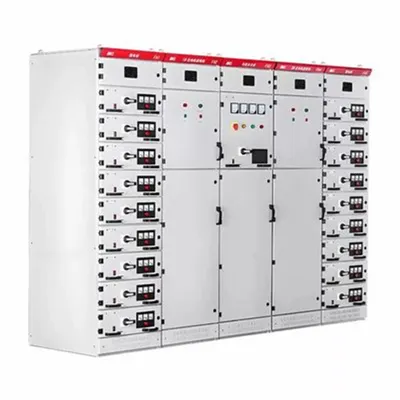
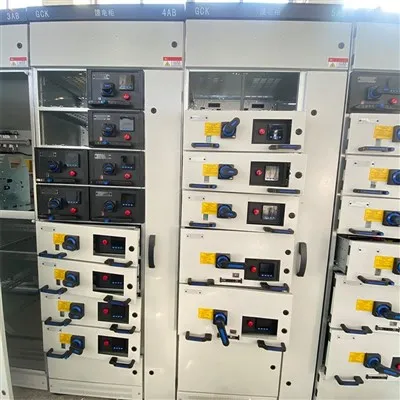
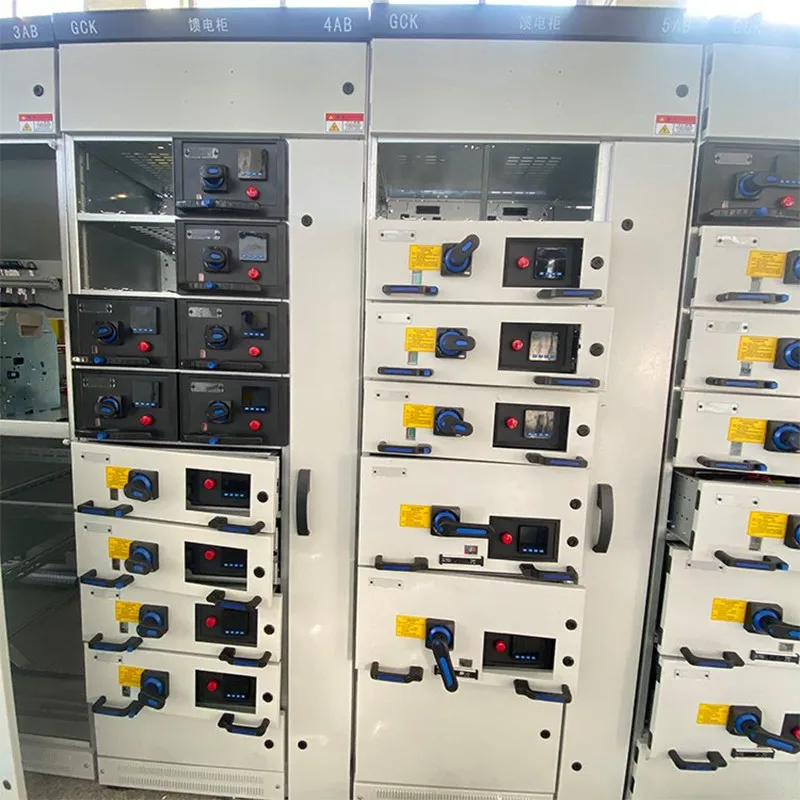
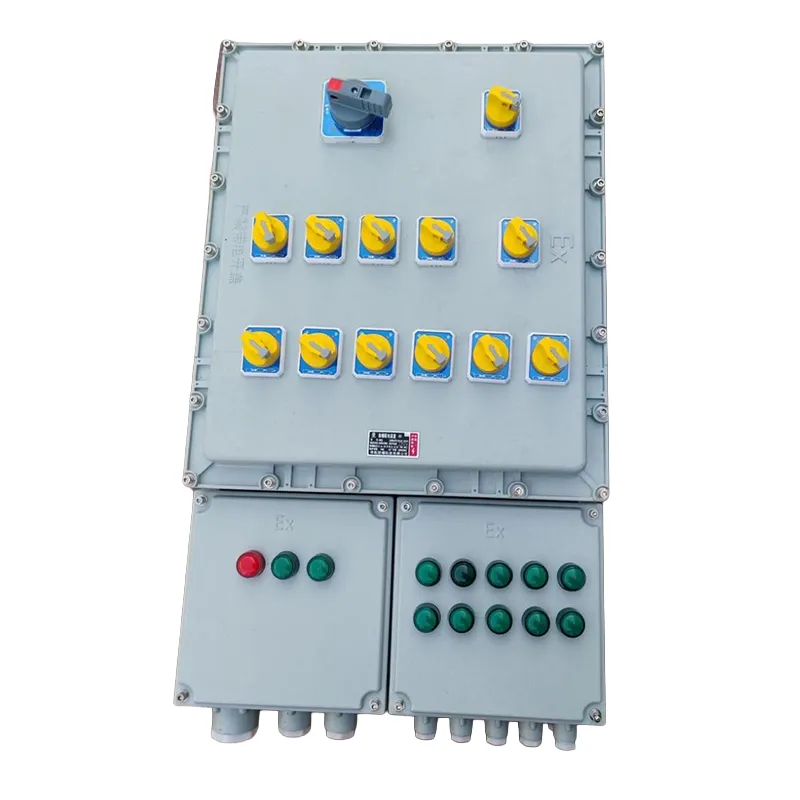
As a supplier of DC Distribution Cabinets, I often receive inquiries from customers about the noise levels of these cabinets. Noise is an important factor to consider, especially in environments where quiet operation is crucial, such as data centers, telecommunications facilities, and residential areas. In this blog post, I will delve into the various aspects related to the noise levels of DC Distribution Cabinets.
Understanding the Sources of Noise in DC Distribution Cabinets
Before discussing the noise levels, it's essential to understand where the noise in DC Distribution Cabinets comes from. There are several potential sources:
-
Fan Noise: Most DC Distribution Cabinets are equipped with fans to ensure proper ventilation and cooling. The fans draw in fresh air and expel hot air, preventing the components inside the cabinet from overheating. However, the rotation of the fan blades creates airflow, which in turn generates noise. The speed of the fan and its design can significantly affect the noise level. High - speed fans generally produce more noise than low - speed ones.
-
Transformer Noise: Transformers are an integral part of DC Distribution Cabinets. They are used to step up or step down the voltage. When an alternating current passes through the transformer, it causes the magnetic core to vibrate, resulting in a humming sound. The noise level of a transformer depends on its size, design, and the load it is carrying.
-
Switching Noise: The switching of electrical components, such as circuit breakers and contactors, can also generate noise. When these components open or close, there is a sudden change in the electrical current, which can produce a clicking or buzzing sound.
Measuring Noise Levels
Noise levels are typically measured in decibels (dB). A lower decibel value indicates a quieter environment. In the context of DC Distribution Cabinets, the noise level is usually measured at a specific distance from the cabinet, typically 1 meter away.
The acceptable noise level for a DC Distribution Cabinet depends on the application. For example, in a data center, where a quiet environment is necessary to avoid interference with sensitive equipment and to provide a comfortable working environment for employees, the noise level should be relatively low, usually below 60 dB. In industrial settings, where there is already a high level of background noise, a slightly higher noise level may be acceptable.
Factors Affecting Noise Levels
Several factors can influence the noise levels of DC Distribution Cabinets:
-
Cabinet Design: A well - designed cabinet can help reduce noise. For example, cabinets with proper insulation can absorb sound and prevent it from escaping. The layout of the components inside the cabinet also matters. If the components are arranged in a way that allows for smooth airflow, it can reduce the need for high - speed fans, thereby reducing noise.
-
Component Quality: The quality of the components used in the cabinet can have a significant impact on noise levels. High - quality fans, transformers, and switches are designed to operate more quietly. For instance, fans with advanced blade designs and low - friction bearings produce less noise.
-
Load Conditions: The load on the DC Distribution Cabinet can affect the noise level. When the cabinet is operating at a high load, the components may generate more heat, which may require the fans to run at a higher speed, increasing the noise level.
Noise Reduction Strategies
As a supplier, we are committed to providing DC Distribution Cabinets with low noise levels. Here are some strategies we employ to reduce noise:
-
Fan Selection: We carefully select fans with low noise ratings. These fans are designed to provide sufficient airflow while minimizing noise. We also use variable - speed fans that can adjust their speed according to the temperature inside the cabinet, reducing the noise when the load is low.
-
Insulation: We use high - quality insulation materials inside the cabinet to absorb sound. This helps to contain the noise within the cabinet and prevent it from spreading to the surrounding environment.
-
Component Placement: We pay close attention to the placement of components inside the cabinet. By arranging the components in a way that promotes efficient airflow, we can reduce the need for high - speed fans and minimize noise.
Comparison with Other Power Distribution Equipment
To give you a better understanding of the noise levels of DC Distribution Cabinets, let's compare them with other types of power distribution equipment.
-
Indoor Distribution Box: Indoor Distribution Boxes are generally smaller and have fewer components compared to DC Distribution Cabinets. As a result, they tend to produce less noise. However, if they are equipped with fans or transformers, they can still generate some noise.
-
VFD Cabinet: VFD (Variable Frequency Drive) Cabinets are used to control the speed of electric motors. These cabinets often generate more noise than DC Distribution Cabinets due to the high - frequency switching of the VFD. The noise is mainly caused by the switching components and the cooling fans.
-
PV Grid Connected Cabinet: PV Grid Connected Cabinets are used in photovoltaic systems to connect the solar panels to the grid. The noise levels of these cabinets depend on the size of the system and the components used. In general, they produce less noise compared to VFD Cabinets but may be similar to DC Distribution Cabinets in terms of noise levels.
Importance of Low Noise Levels
Low noise levels in DC Distribution Cabinets are important for several reasons:
-
Environmental Considerations: In residential areas and other noise - sensitive environments, low - noise equipment is necessary to comply with local noise regulations. By providing DC Distribution Cabinets with low noise levels, we can help our customers meet these requirements.
-
User Comfort: In workplaces such as data centers and offices, excessive noise can be a distraction and can affect the productivity and well - being of employees. Low - noise DC Distribution Cabinets create a more comfortable working environment.
-
Equipment Longevity: High noise levels can sometimes be an indication of mechanical problems or excessive stress on the components. By reducing noise, we can ensure the proper operation and longevity of the DC Distribution Cabinet.
Contact Us for Purchase and Consultation
If you are in the market for a DC Distribution Cabinet and are concerned about noise levels, we are here to help. Our team of experts can provide you with detailed information about the noise levels of our products and help you select the right cabinet for your specific needs. Whether you are building a new data center, upgrading your existing power distribution system, or looking for a reliable solution for your renewable energy project, we have the expertise and the products to meet your requirements.
We invite you to contact us to discuss your needs and explore the possibilities of working together. We are committed to providing high - quality products and excellent customer service. Let's start a conversation today and find the perfect DC Distribution Cabinet for you.
References
- Electrical Engineering Handbook, Third Edition, edited by Richard C. Dorf
- Power Distribution Systems: Design and Analysis, by Turan Gonen
- Noise Control Engineering: Principles and Applications, by Cyril M. Harris