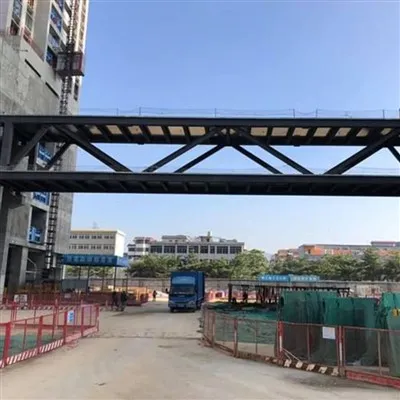
Acoustic insulation in a steel structure workshop is a crucial aspect that can significantly impact the working environment, productivity, and even the health of employees. As a supplier of steel structure workshops, I've seen firsthand how proper acoustic insulation solutions can transform these spaces. In this blog, I'll share some effective acoustic insulation solutions for steel structure workshops.
Understanding the Acoustic Challenges in Steel Structure Workshops
Steel structure workshops have unique acoustic characteristics. The metal surfaces of steel structures can easily reflect sound waves, leading to echoes and reverberations. This can make the workshop noisy, which not only affects communication but also can cause fatigue and stress among workers. Additionally, external noise sources, such as traffic or machinery from neighboring areas, can penetrate the workshop, further disrupting the internal environment.

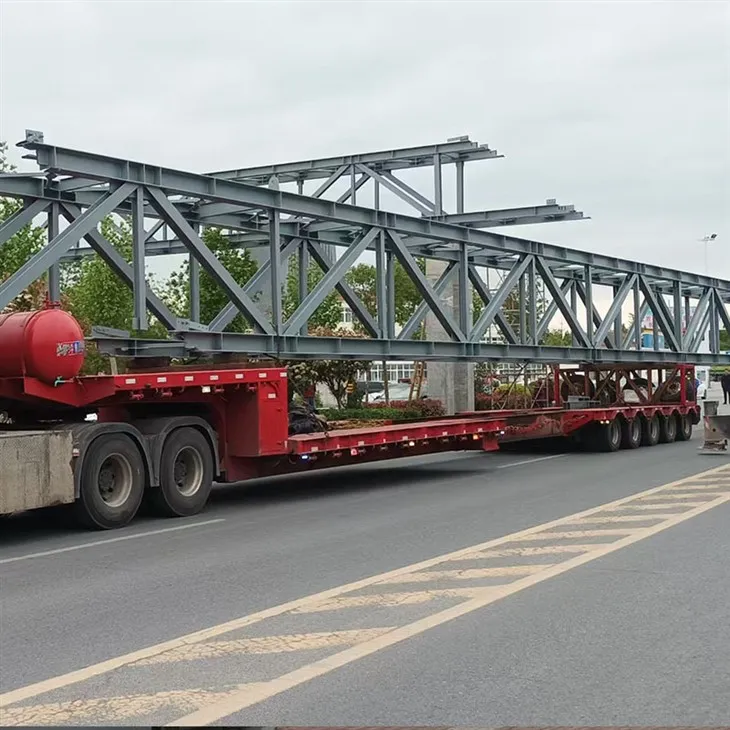
Acoustic Insulation Materials
Fiberglass Insulation
Fiberglass insulation is a popular choice for acoustic insulation in steel structure workshops. It's made of fine glass fibers that trap air pockets, which helps to absorb sound waves. Fiberglass insulation is relatively inexpensive, easy to install, and has good thermal insulation properties as well. It can be installed in the walls and ceilings of the workshop to reduce noise levels. For example, you can use batts or rolls of fiberglass insulation and install them between the steel frames. This will help to dampen the sound and prevent it from traveling through the structure.
Mineral Wool Insulation
Mineral wool is another excellent acoustic insulation material. It's made from natural or synthetic minerals and has a high density, which makes it effective at absorbing sound. Mineral wool insulation can be used in the same way as fiberglass insulation, but it's often more fire-resistant. This is an important consideration in a workshop environment where there may be a risk of fire. You can install mineral wool insulation in the walls, floors, and ceilings to create a more soundproof space.
Acoustic Panels
Acoustic panels are a more aesthetically pleasing option for acoustic insulation. They come in various shapes, sizes, and colors, and can be installed on the walls or ceilings of the workshop. Acoustic panels are made of materials such as fiberglass, foam, or wood, and are designed to absorb sound waves. They can be used to reduce echoes and reverberations in the workshop, creating a more comfortable and productive working environment. For example, you can install acoustic panels in areas where there is a lot of noise, such as near machinery or in meeting rooms.
Structural Design for Acoustic Insulation
Double-Walled Construction
Double-walled construction is an effective way to improve acoustic insulation in a steel structure workshop. By creating a gap between two layers of steel panels, you can reduce the transmission of sound waves. The gap can be filled with insulation material, such as fiberglass or mineral wool, to further enhance the acoustic performance. Double-walled construction can also provide additional thermal insulation, which is beneficial for energy efficiency.
Sealing and Gasketing
Proper sealing and gasketing are essential for acoustic insulation. Any gaps or cracks in the steel structure can allow sound to leak through. By using high-quality seals and gaskets, you can prevent sound from escaping or entering the workshop. This includes sealing around doors, windows, and ventilation openings. For example, you can use weatherstripping to seal the edges of doors and windows, and gaskets to seal the joints between steel panels.
Additional Considerations
Machinery Placement
The placement of machinery in the workshop can also affect the acoustic environment. By placing noisy machinery away from areas where workers are located, you can reduce the impact of noise on the workforce. You can also use barriers or enclosures around the machinery to further reduce noise levels. For example, you can install a soundproof enclosure around a large machine to contain the noise.
Ventilation Systems
Ventilation systems can be a source of noise in a workshop. To reduce the noise from ventilation systems, you can use silencers or acoustic duct liners. These can help to absorb the sound generated by the airflow and reduce the noise levels in the workshop. Additionally, proper ventilation is important for maintaining a healthy working environment, so it's important to balance the need for ventilation with the need for acoustic insulation.
Conclusion
As a supplier of [Steel Structure Workshop], I understand the importance of acoustic insulation in creating a comfortable and productive working environment. By using the right acoustic insulation materials, structural design techniques, and additional considerations, you can significantly reduce the noise levels in your steel structure workshop. Whether you're building a new workshop or renovating an existing one, investing in acoustic insulation is a smart decision that can benefit your business in the long run.
If you're interested in learning more about acoustic insulation solutions for your steel structure workshop or are looking to purchase a steel structure workshop, feel free to reach out for a consultation. We're here to help you find the best solutions for your specific needs.
References
- Building Acoustics Handbook, by Cyril M. Harris
- Acoustics for Engineers, by F. Alton Everest