Connecting a VFD (Variable Frequency Drive) Cabinet to a motor is a crucial process that requires careful planning and execution. As a VFD Cabinet supplier, I've had the opportunity to work on numerous projects where proper installation and connection were key to the successful operation of the motor. In this blog, I'll guide you through the steps of connecting a VFD Cabinet to a motor, providing valuable insights along the way.
Understanding the Basics
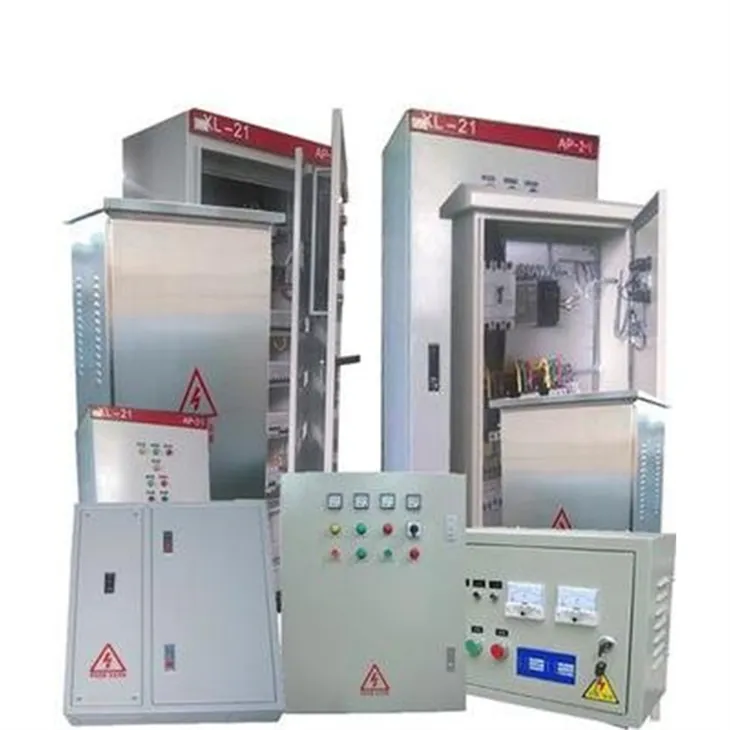
Before we delve into the connection process, it's essential to understand the basic components involved. A VFD Cabinet is a specialized enclosure that houses the variable frequency drive, which is used to control the speed and torque of an electric motor. The drive takes the incoming AC power and converts it into variable frequency and voltage output, allowing for precise control of the motor's operation.
Step 1: Select the Right VFD Cabinet
The first step in connecting a VFD Cabinet to a motor is to select the right cabinet for your application. Consider factors such as the motor's power rating, the environment in which the cabinet will be installed, and any specific requirements or regulations that need to be met. Our VFD Cabinet is designed to meet a wide range of applications, providing reliable and efficient motor control.
Step 2: Prepare the Installation Site
Once you've selected the appropriate VFD Cabinet, it's time to prepare the installation site. Ensure that the location is well-ventilated, away from sources of heat and moisture, and has sufficient space for the cabinet and any associated equipment. The site should also be easily accessible for maintenance and troubleshooting.
Step 3: Mount the VFD Cabinet
Carefully mount the VFD Cabinet in the designated location using the appropriate mounting hardware. Make sure the cabinet is level and securely fastened to prevent any movement or vibration during operation. Follow the manufacturer's instructions for mounting the cabinet to ensure proper installation.
Step 4: Connect the Power Supply
The next step is to connect the power supply to the VFD Cabinet. This typically involves connecting the incoming AC power to the input terminals of the cabinet. Use the appropriate size and type of cables and ensure that all connections are tight and secure. It's important to follow the electrical codes and regulations to ensure safe and reliable operation.
Step 5: Connect the Motor
Once the power supply is connected, it's time to connect the motor to the VFD Cabinet. Identify the motor terminals and connect them to the output terminals of the cabinet. Make sure to follow the wiring diagram provided by the manufacturer to ensure proper connection. Double-check all connections to ensure they are correct and secure.
Step 6: Configure the VFD
After the physical connections are made, it's time to configure the VFD for the specific motor and application. This involves setting parameters such as the motor's rated power, speed, and torque, as well as other control settings. Refer to the VFD's user manual for detailed instructions on how to configure the drive.
Step 7: Test the System
Once the VFD is configured, it's important to test the system to ensure that it is operating correctly. Start the motor and observe its operation. Check for any abnormal noises, vibrations, or overheating. Monitor the motor's speed and torque to ensure that they are within the desired range. If any issues are detected, troubleshoot the system and make the necessary adjustments.
Step 8: Perform Regular Maintenance
To ensure the long-term reliability and performance of the VFD Cabinet and motor, it's important to perform regular maintenance. This includes checking the connections, cleaning the cabinet, and inspecting the components for any signs of wear or damage. Follow the manufacturer's recommended maintenance schedule to keep the system in optimal condition.
Additional Considerations
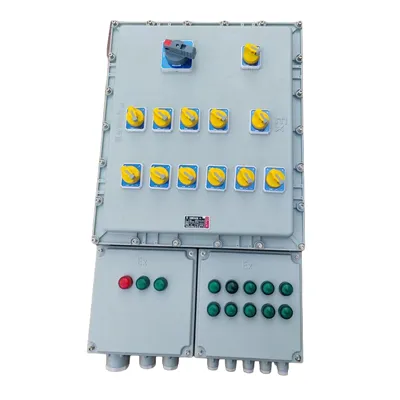
In some applications, it may be necessary to use additional equipment such as Explosion Proof Distribution Cabinet or PV Grid Connected Cabinet to ensure the safety and reliability of the system. These cabinets are designed to meet specific requirements and regulations, providing an extra layer of protection.
Conclusion
Connecting a VFD Cabinet to a motor is a complex process that requires careful planning and execution. By following the steps outlined in this blog and using the right equipment, you can ensure a successful installation and reliable operation of the motor. As a VFD Cabinet supplier, we are committed to providing high-quality products and support to help you achieve your goals. If you have any questions or need assistance with your VFD Cabinet installation, please don't hesitate to contact us for a consultation. We look forward to working with you to meet your motor control needs.

References
- Manufacturer's manuals for VFD Cabinets and motors
- Electrical codes and regulations