What are the dynamic response characteristics of steel truss structures?
As a supplier of steel truss structures, I've had the privilege of witnessing the remarkable versatility and resilience of these engineering marvels. Steel truss structures are widely used in various applications, from bridges and industrial buildings to stadiums and transmission towers. Understanding their dynamic response characteristics is crucial for ensuring their safety, performance, and longevity.
1. Basics of Steel Truss Structures
Steel truss structures are composed of interconnected members arranged in a triangular pattern. This configuration provides high strength and stiffness while minimizing the amount of material used. The members are typically made of steel, which offers excellent mechanical properties such as high strength, ductility, and corrosion resistance.
The design of a steel truss structure depends on several factors, including the load it needs to carry, the span length, and the environmental conditions. Different types of trusses, such as Pratt trusses, Howe trusses, and Warren trusses, are used depending on the specific requirements of the project.

2. Dynamic Response Mechanisms
The dynamic response of a steel truss structure refers to its behavior under dynamic loads, such as wind, earthquake, or moving loads. These loads can cause the structure to vibrate, and understanding how the structure responds to these vibrations is essential for preventing damage and ensuring its functionality.
- Natural Frequencies: Every structure has a set of natural frequencies, which are the frequencies at which it tends to vibrate when excited. The natural frequencies of a steel truss structure depend on its mass, stiffness, and geometry. By calculating the natural frequencies, engineers can avoid resonance, which occurs when the frequency of the external load matches the natural frequency of the structure, leading to excessive vibrations and potential failure.
- Damping: Damping is the ability of a structure to dissipate energy during vibration. In steel truss structures, damping can be provided by various means, such as using visco - elastic dampers or relying on the internal friction of the steel members. Higher damping reduces the amplitude of vibrations and helps the structure return to its equilibrium position more quickly.
- Mode Shapes: Mode shapes describe the pattern of vibration of a structure at its natural frequencies. Each natural frequency is associated with a specific mode shape. By analyzing the mode shapes, engineers can understand how different parts of the structure move during vibration and identify potential weak points.
3. Factors Affecting Dynamic Response
Several factors can influence the dynamic response of steel truss structures:
- Geometry and Configuration: The shape and arrangement of the truss members play a significant role in determining its dynamic characteristics. For example, a truss with a more complex geometry may have a different set of natural frequencies and mode shapes compared to a simpler truss.
- Material Properties: The properties of the steel used in the truss, such as its modulus of elasticity and density, affect the stiffness and mass of the structure, which in turn influence its dynamic response.
- Load Characteristics: The type, magnitude, and frequency of the dynamic loads acting on the structure are crucial. For instance, wind loads are typically dynamic and can vary in intensity and direction, while earthquake loads are sudden and often have a wide range of frequencies.
4. Applications and Their Impact on Dynamic Response
Different applications of steel truss structures have unique requirements and challenges regarding their dynamic response:
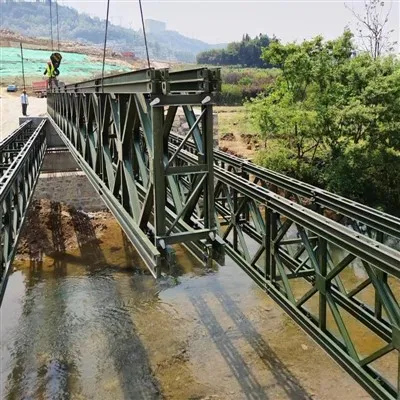
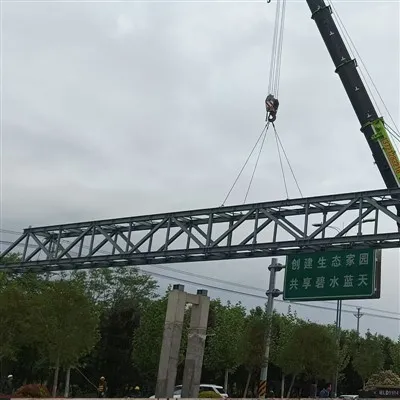
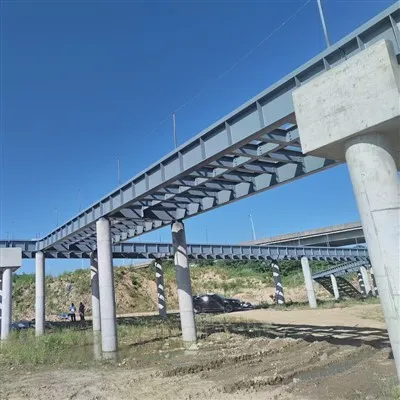
- Steel Frame Bridge: Bridges are subjected to moving loads from vehicles, wind loads, and seismic forces. The dynamic response of a steel frame bridge needs to be carefully analyzed to ensure the safety of the structure and the comfort of the users. For example, excessive vibrations can cause discomfort to drivers and may also lead to fatigue damage over time.
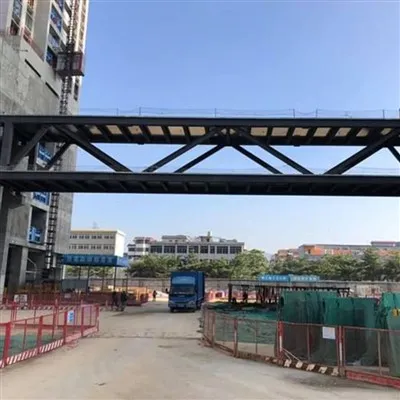
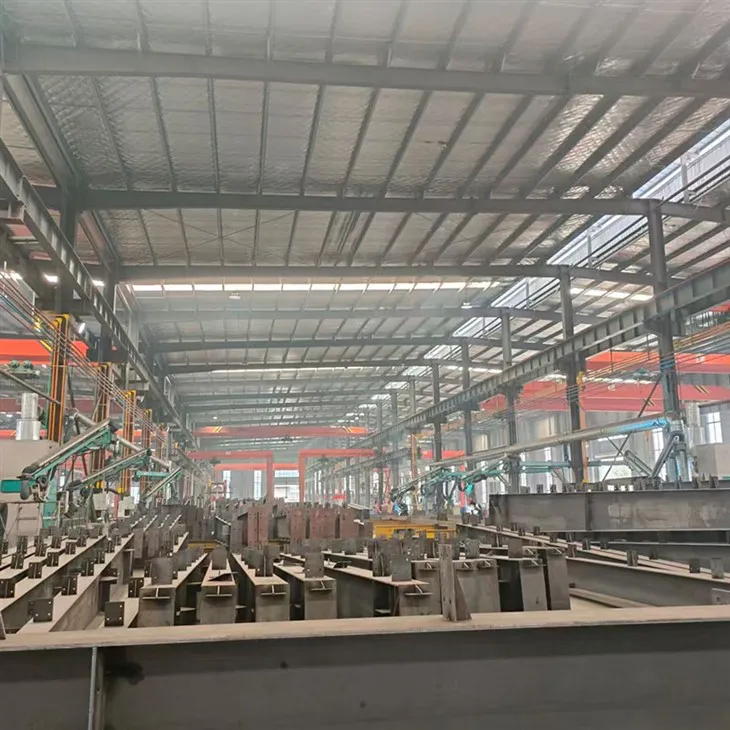
- Steel Structure Workshop: Industrial workshops often have heavy machinery that can generate dynamic loads. The steel truss structure of the workshop needs to be designed to withstand these loads without excessive vibrations. Additionally, the structure should be able to resist wind and seismic loads to ensure its stability.
- Lattice Column: Lattice columns are used in various structures, such as transmission towers and high - rise buildings. They are subjected to wind loads and may also experience dynamic forces during construction or due to nearby machinery. Understanding the dynamic response of lattice columns is essential for ensuring their structural integrity.
5. Analytical and Experimental Methods for Studying Dynamic Response
To understand the dynamic response of steel truss structures, engineers use a combination of analytical and experimental methods:
- Finite Element Analysis (FEA): FEA is a powerful tool for analyzing the dynamic behavior of structures. It allows engineers to model the structure in detail and simulate its response to different loads. By using FEA, engineers can predict the natural frequencies, mode shapes, and stress distributions of the structure.
- Experimental Testing: Physical testing of steel truss structures can provide valuable data on their dynamic response. This can include vibration testing, where the structure is excited using a shaker or other means, and the resulting vibrations are measured using sensors. Experimental testing can validate the results of analytical models and provide insights into the real - world behavior of the structure.
6. Importance of Understanding Dynamic Response for Suppliers
As a steel truss structure supplier, understanding the dynamic response characteristics of our products is of utmost importance. It allows us to:
- Provide Optimal Designs: By understanding the dynamic behavior of steel truss structures, we can design structures that are more resistant to dynamic loads, reducing the risk of failure and ensuring the safety of the end - users.
- Enhance Customer Satisfaction: Customers are increasingly concerned about the performance and durability of the structures they purchase. By providing detailed information about the dynamic response of our steel truss structures, we can build trust with our customers and meet their expectations.
- Stay Competitive in the Market: In a competitive market, offering high - quality products with superior dynamic performance can give us an edge over our competitors.
7. Conclusion and Call to Action
In conclusion, the dynamic response characteristics of steel truss structures are complex and depend on various factors. Understanding these characteristics is essential for ensuring the safety, performance, and longevity of the structures. As a steel truss structure supplier, we are committed to providing our customers with the best - in - class products that are designed to withstand dynamic loads.
If you are in the market for steel truss structures for your project, whether it's a Steel Frame Bridge, a Steel Structure Workshop, or a Lattice Column, we invite you to contact us for a detailed discussion. Our team of experts is ready to assist you in choosing the right steel truss structure for your specific needs and ensuring its optimal performance.
References
- "Structural Dynamics: Theory and Computation" by Mario Paz and William Leigh
- "Steel Structures: Design and Behavior" by Salmon, Johnson, and Malhas
- Various research papers on the dynamic analysis of steel truss structures published in engineering journals.