Hey there! As a supplier of steel structure staircases, I often get asked about the load-bearing capacity of these bad boys. It's a crucial factor, and understanding it can help you decide if a steel staircase is the right fit for your project.


Understanding the Basics of Load - Bearing Capacity
First off, what exactly is load-bearing capacity? Well, it's the maximum weight that a steel structure staircase can safely support. This includes not just the weight of the people using the stairs but also any additional loads like furniture that might be moved up and down.
There are two main types of loads we need to consider: dead loads and live loads. Dead loads are the permanent weights that the staircase has to support, such as the weight of the steel itself, any handrails, and other fixed components. Live loads, on the other hand, are the variable weights like people, equipment, and moving objects.
Factors Affecting the Load - Bearing Capacity
Steel Quality
The type and quality of steel used play a huge role. High - strength steels can handle more weight compared to regular ones. For example, structural steels with higher yield strength are better at withstanding heavy loads without deforming. We use top - notch steel in our staircases, ensuring that they can handle significant weights.
Design and Geometry
The design of the staircase matters big time. Spiral staircases, for instance, have a different load - distribution pattern compared to straight ones. The angle of the stairs, the width of the steps, and the spacing between the supports all impact how much weight the staircase can bear. A well - designed staircase will distribute the load evenly across its structure, reducing stress on individual components.
Support Structure
The way the staircase is supported is crucial. Whether it's attached to a wall, has a freestanding structure, or is supported by additional brackets, the support system affects its load - bearing capacity. A staircase with proper and sturdy support can handle more weight. For example, a staircase supported by Metal Structural Post can have enhanced stability and load - bearing ability.
Calculating the Load - Bearing Capacity
Calculating the load - bearing capacity of a steel structure staircase is no walk in the park. It involves a lot of engineering calculations based on the factors we just talked about. Engineers usually use advanced software and formulas to determine the exact capacity.
They start by calculating the dead load. This means figuring out the weight of all the permanent components of the staircase. Then, they estimate the live load based on the expected usage of the stairs. For a residential staircase, the live load might be lower compared to a commercial one in a busy office building.
After getting these values, they use structural analysis to see how the staircase will perform under these loads. They check for things like bending, shear stress, and deflection. If the staircase is likely to deform or fail under the calculated loads, design changes are made until it meets the required safety standards.
Real - World Applications and Examples
Residential Use
In a home, a steel staircase is often used to add a modern touch. The load - bearing capacity requirements are relatively lower compared to commercial settings. Usually, a well - designed residential steel staircase can easily support the weight of a family and occasional guests. It might also need to handle the weight of moving furniture during a house move.
Commercial Buildings
In commercial buildings like offices, hotels, or malls, the load - bearing requirements are much higher. There are a large number of people constantly using the stairs, and sometimes, large equipment needs to be moved up and down. For these applications, the steel staircase needs to be more robust. It might be designed with additional support structures, similar to those used in Platform Steel Structure to ensure it can handle the heavy loads.
Industrial Settings
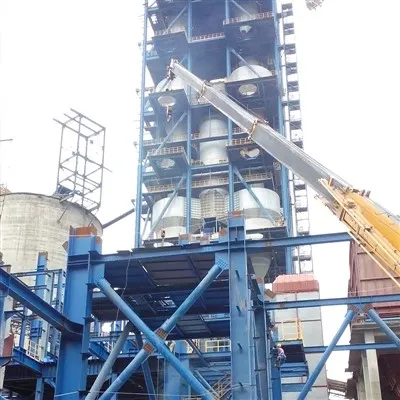
Industrial facilities have the most demanding load - bearing requirements. Staircases in factories or warehouses need to support the weight of heavy machinery, large pallets, and a high volume of workers. These staircases are often built with thick - gauge steel and a strong support system, similar to the ones used in Steel Truss Structure to ensure maximum strength and durability.
Importance of Meeting Load - Bearing Standards
Meeting the load - bearing standards is not just a matter of safety; it's also a legal requirement in most places. Building codes and regulations specify the minimum load - bearing capacity for different types of buildings. If a staircase doesn't meet these standards, it can lead to serious consequences, including accidents and legal issues.
As a supplier, we take these standards very seriously. Our team of engineers ensures that every steel structure staircase we produce meets or exceeds the relevant load - bearing requirements. We use the latest technology and high - quality materials to guarantee the safety and reliability of our products.
How Our Company Ensures High Load - Bearing Capacity
We have a strict quality control process. From the selection of the steel to the final installation, every step is carefully monitored. We work with experienced engineers who are experts in steel structure design. They use the latest software to analyze and optimize the load - bearing capacity of our staircases.
We also conduct regular inspections and tests on our products. This includes non - destructive testing to check the integrity of the steel and load - testing to ensure that the staircase can handle the specified loads. By doing so, we can provide our customers with staircases that are not only beautiful but also incredibly strong and safe.
Other Related Steel Structures and Their Load - Bearing
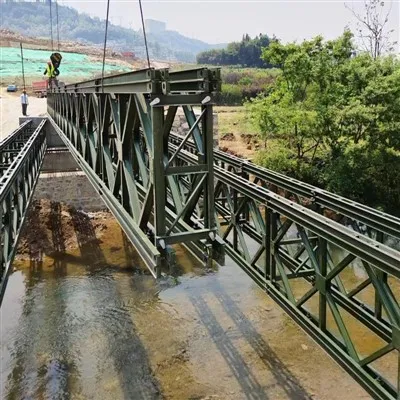
It's interesting to note that the concept of load - bearing capacity applies to other steel structures as well. For example, Steel Frame Bridge need to support the weight of vehicles, pedestrians, and sometimes heavy equipment. The design and construction of these bridges are highly specialized to ensure they can handle the massive loads.
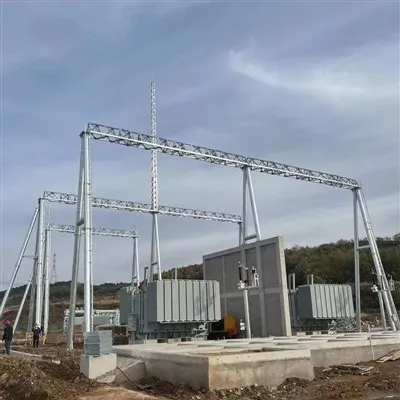
Similarly, Substation Steel Structure Support need to support the weight of electrical equipment and withstand environmental factors like wind and seismic loads. The load - bearing capacity of these structures is carefully calculated to ensure the safe operation of the substations.
Contact for Purchase and Consultation
If you're in the market for a steel structure staircase, or if you have any questions about load - bearing capacity or our products, don't hesitate to reach out. We're here to help you make the right choice for your project. Whether it's a small residential staircase or a large - scale commercial one, we have the expertise and the products to meet your needs.
References
- "Steel Structures: Design and Behavior" by Salmon, Johnson, and Malhas
- Building codes and regulations related to steel structures in different regions