As a supplier of PV Grid Connected Cabinets, I've witnessed firsthand the growing demand for renewable energy solutions and the crucial role that our products play in the solar power ecosystem. One of the most pressing challenges in this field is improving the energy conversion efficiency of PV Grid Connected Cabinets. In this blog post, I'll share some insights and strategies based on my experience and industry knowledge.


Understanding the Basics of PV Grid Connected Cabinets
Before delving into ways to improve energy conversion efficiency, it's essential to understand what PV Grid Connected Cabinets are and how they function. These cabinets are an integral part of a photovoltaic (PV) power generation system. They serve as the interface between the solar panels and the electrical grid, performing several key functions such as power conversion, protection, and monitoring.
The energy conversion process in a PV Grid Connected Cabinet begins when sunlight hits the solar panels, generating direct current (DC) electricity. The cabinet then converts this DC power into alternating current (AC) power, which is compatible with the electrical grid. This conversion is typically done using an inverter, a critical component of the cabinet.
Factors Affecting Energy Conversion Efficiency
Several factors can impact the energy conversion efficiency of a PV Grid Connected Cabinet. Here are some of the most significant ones:
Inverter Efficiency
The inverter is the heart of the PV Grid Connected Cabinet, and its efficiency directly affects the overall energy conversion rate. Modern inverters can achieve high efficiency levels, but factors such as temperature, load, and harmonic distortion can still reduce their performance. For example, high temperatures can cause the inverter to overheat, leading to a decrease in efficiency.
Solar Panel Quality
The quality of the solar panels connected to the cabinet also plays a crucial role. High - quality solar panels can generate more electricity under the same sunlight conditions, which in turn increases the input power to the cabinet. Additionally, panels with better temperature coefficients are less affected by temperature changes, maintaining a more stable power output.
Wiring and Connection Losses
Poor wiring and connections can result in significant power losses. Resistance in the wires can cause energy to be dissipated as heat, reducing the amount of power that reaches the inverter. Ensuring proper wire sizing, low - resistance connections, and regular maintenance can help minimize these losses.
Environmental Conditions
Environmental factors such as shading, dust, and humidity can have a negative impact on the energy conversion efficiency. Shading on even a small portion of the solar panels can cause a significant drop in power output. Dust accumulation on the panels can also reduce the amount of sunlight that reaches the photovoltaic cells.
Strategies to Improve Energy Conversion Efficiency
Upgrade Inverter Technology
Investing in the latest inverter technology is one of the most effective ways to improve energy conversion efficiency. Newer inverters are designed with advanced features such as maximum power point tracking (MPPT), which can adjust the operating point of the solar panels to extract the maximum amount of power. Additionally, high - efficiency inverters have lower standby power consumption and better performance under varying load conditions.
Optimize Solar Panel Installation
Proper installation of solar panels is crucial for maximizing energy production. This includes choosing the right orientation and tilt angle to ensure that the panels receive the maximum amount of sunlight throughout the day. Additionally, spacing the panels correctly to avoid shading and using anti - reflective coatings can enhance their performance.
Minimize Wiring and Connection Losses
As mentioned earlier, wiring and connection losses can be a significant factor in reducing efficiency. Using high - quality wires with low resistance and ensuring proper connections can help minimize these losses. Regular inspections and maintenance of the wiring system can also prevent issues such as loose connections or corrosion.
Implement Monitoring and Control Systems
Monitoring and control systems can provide real - time data on the performance of the PV Grid Connected Cabinet. By analyzing this data, operators can identify and address issues such as inverter malfunctions, shading problems, or wiring losses. Automated control systems can also adjust the operating parameters of the cabinet to optimize energy conversion efficiency.
Consider Energy Storage Solutions
Integrating energy storage solutions such as batteries with the PV Grid Connected Cabinet can help improve energy conversion efficiency. Batteries can store excess electricity generated during peak sunlight hours and release it during periods of low sunlight or high demand. This not only reduces the reliance on the grid but also helps to smooth out the power output, improving the overall efficiency of the system.
The Role of High - Quality Components
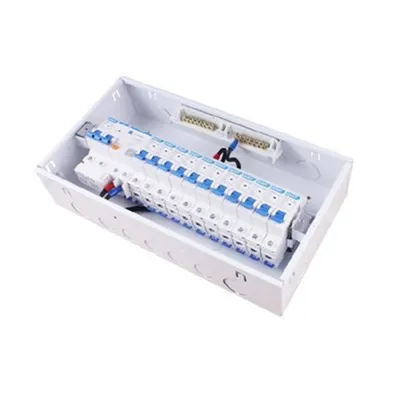
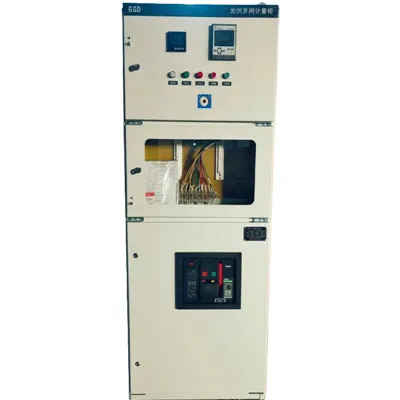
In addition to the strategies mentioned above, using high - quality components in the PV Grid Connected Cabinet is essential for improving energy conversion efficiency. For example, a Metering Distribution Cabinet can accurately measure the power flow, allowing for better management of the energy. A High Voltage Electrical Switchgear can provide reliable protection and control of the electrical system, ensuring safe and efficient operation. And a Withdrawable Switchgear can offer flexibility and ease of maintenance, reducing downtime and improving overall performance.
Conclusion
Improving the energy conversion efficiency of a PV Grid Connected Cabinet is a complex but achievable goal. By understanding the factors that affect efficiency and implementing the strategies outlined in this blog post, we can significantly enhance the performance of these cabinets. As a supplier, we are committed to providing high - quality products and solutions that meet the needs of our customers. If you're interested in learning more about our PV Grid Connected Cabinets or have any questions regarding energy conversion efficiency, please feel free to contact us for a procurement discussion. We look forward to working with you to achieve your renewable energy goals.
References
- "Photovoltaic Systems Design and Installation Handbook" by Paul D. Maycock
- "Renewable Energy: Principles, Processes, and Prospects" by John Twidell and Tony Weir
- Industry reports from leading PV research institutions.