As a PV distribution box supplier, I often get asked about the requirements for the internal layout of these boxes. It's a crucial aspect that can significantly impact the performance, safety, and maintenance of the PV system. In this blog, I'll share some insights based on my experience in the industry.

1. Safety First
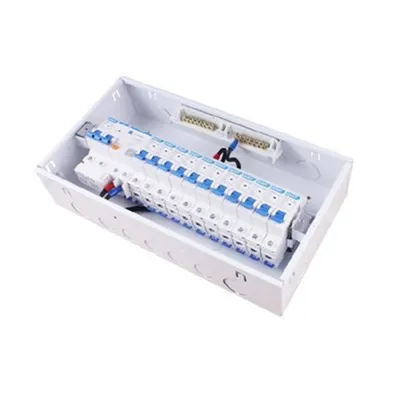
The safety of the PV distribution box is of utmost importance. First and foremost, the internal layout should ensure proper isolation of different electrical components. This means that live parts should be separated from each other to prevent short - circuits. For example, the DC input terminals should be clearly separated from the AC output terminals.
We also need to consider the protection against over - current and over - voltage. Fuses and circuit breakers should be installed in appropriate locations. The fuses should be easily accessible for replacement in case of a fault. Over - voltage protection devices, such as surge arresters, should be placed close to the input terminals to quickly divert any excessive voltage to the ground.
2. Component Placement
The placement of components inside the PV distribution box is another key factor. All the components should be arranged in a logical and organized manner. For instance, the terminals for connecting the PV panels should be placed at the front or side of the box for easy access during installation. The monitoring and control devices, like meters and communication modules, should be located where they can be easily seen and operated.
The wiring inside the box should be neatly routed. This not only makes the box look tidy but also helps in troubleshooting. Cables should be labeled clearly, indicating their source and destination. This way, if there is an issue, it's much easier to identify which cable is causing the problem.
3. Heat Dissipation
PV distribution boxes can generate a significant amount of heat, especially when they are operating under high - load conditions. To ensure the longevity of the components, proper heat dissipation is essential. The internal layout should allow for good air circulation. Ventilation holes can be added to the box, and fans can be installed if necessary.
Components that generate a lot of heat, such as power converters, should be placed in areas with better air flow. They can also be separated from other heat - sensitive components to prevent overheating.
4. Compatibility and Expandability
The internal layout should be designed to accommodate different types of components. As the PV industry is constantly evolving, new technologies and components are being introduced. The box should be able to integrate these new components without major modifications.
For example, if you plan to add a new monitoring device in the future, there should be enough space and appropriate connections in the box. This expandability can save a lot of time and money in the long run.
5. Modularity
Modularity is a great feature in the internal layout of a PV distribution box. It allows for easy replacement and upgrade of components. For instance, if a particular circuit breaker fails, it can be easily removed and replaced with a new one without affecting other parts of the box.
We can divide the box into different modules, each with a specific function. This makes the maintenance and repair process much more efficient.
6. Compliance with Standards
The internal layout of the PV distribution box must comply with relevant national and international standards. These standards ensure the safety and performance of the box. For example, in the United States, the National Electrical Code (NEC) has specific requirements for PV systems, including the distribution boxes.
When designing the internal layout, we need to make sure that all the components and wiring meet these standards. This not only protects the end - users but also helps in getting the necessary certifications for the product.
7. Integration with Other Equipment
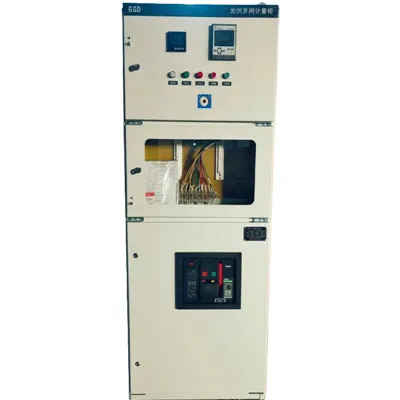
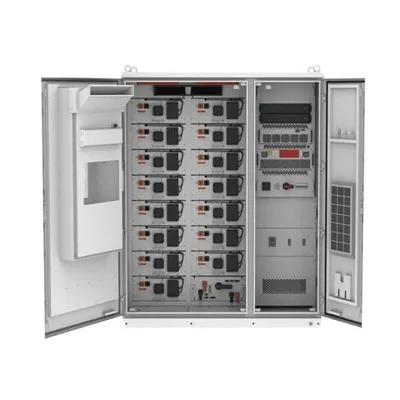
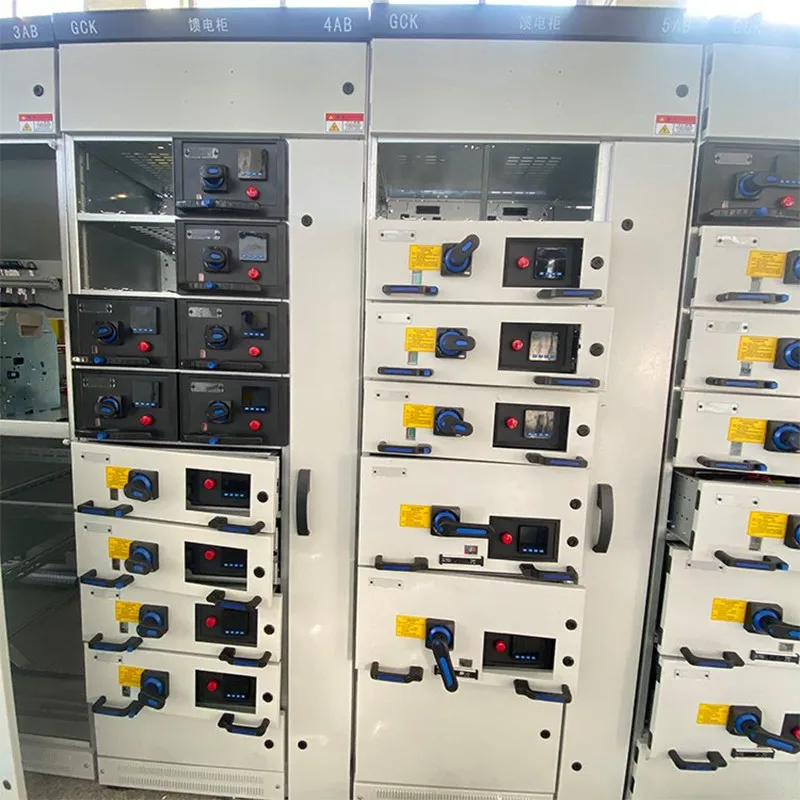
The PV distribution box often needs to be integrated with other equipment in the PV system, such as Withdrawable Switchgear, Indoor Distribution Box, and DC Distribution Cabinet. The internal layout should facilitate this integration.
The connections between the PV distribution box and other equipment should be clearly defined and easy to make. This ensures a seamless operation of the entire PV system.
8. Ease of Installation and Maintenance
Finally, the internal layout should be designed for easy installation and maintenance. The box should have clear instructions on how to install the components and make the connections. During maintenance, technicians should be able to access all the components easily.
For example, the cover of the box should be easy to remove and replace. There should be enough space inside the box for technicians to work without feeling cramped.
In conclusion, the internal layout of a PV distribution box is a complex but critical aspect. By considering factors such as safety, component placement, heat dissipation, compatibility, modularity, compliance with standards, integration with other equipment, and ease of installation and maintenance, we can design a high - quality PV distribution box that meets the needs of our customers.
If you're in the market for a PV distribution box and have any questions about the internal layout or other features, feel free to reach out to us. We're here to help you make the best choice for your PV system. Let's have a chat and discuss how we can meet your specific requirements.
References
- National Electrical Code (NEC)
- International Electrotechnical Commission (IEC) standards related to PV systems