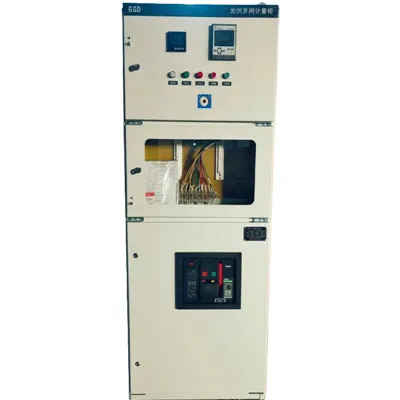
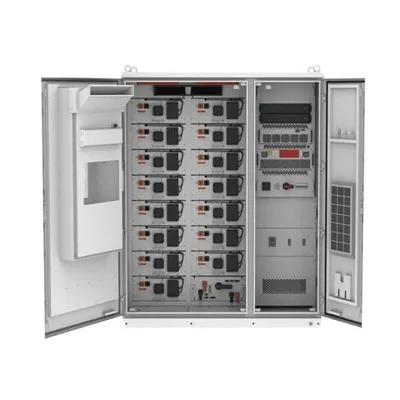
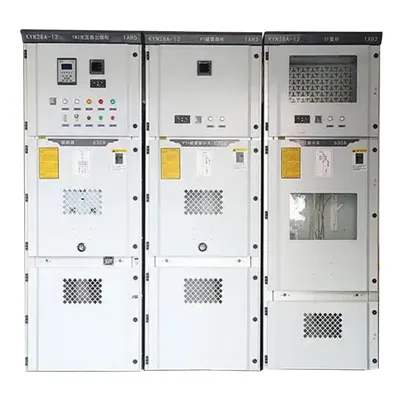
Hey there! As a supplier of Fixed Type Switchgear, I often get asked about how to replace the circuit breaker in these units. It's a crucial skill for anyone dealing with electrical systems, so I thought I'd share a detailed guide on the process.
Why Replace the Circuit Breaker?
First off, you might be wondering why you'd need to replace a circuit breaker in the first place. Well, circuit breakers can wear out over time due to normal use, electrical surges, or just plain old age. When they start to malfunction, they can't do their job of protecting your electrical system from overloads and short circuits. This can lead to serious problems, like electrical fires or damage to your equipment. So, replacing a faulty circuit breaker is an important step in maintaining the safety and reliability of your electrical system.
Before You Start
Before you even think about replacing the circuit breaker, there are a few things you need to do. First, make sure you have the right tools for the job. You'll need a screwdriver, a voltage tester, and a new circuit breaker that's compatible with your Fixed Type Switchgear. You can usually find the specifications for your switchgear in the user manual or by contacting the manufacturer.
Next, you need to turn off the power to the switchgear. This is really important for your safety. You don't want to be working on live electrical circuits. Locate the main power switch for the switchgear and turn it off. Then, use a voltage tester to double-check that there's no power running to the switchgear.
Removing the Old Circuit Breaker
Once you've turned off the power and gathered your tools, it's time to remove the old circuit breaker. Start by opening the door of the switchgear. You'll see the circuit breaker mounted inside. There are usually screws or clips holding the breaker in place. Use your screwdriver to remove these screws or clips.
Be careful when handling the circuit breaker. It might be heavy, and you don't want to drop it. Once you've removed the mounting hardware, gently pull the breaker out of the switchgear. You'll notice that there are wires connected to the breaker. These wires carry the electrical current, so you need to be extra careful when disconnecting them.
Before you disconnect the wires, take a picture or make a diagram of how they're connected. This will help you reconnect them correctly later. Use your screwdriver to loosen the terminal screws and remove the wires from the breaker. Make sure you keep the wires organized and label them if necessary.
Installing the New Circuit Breaker
Now that you've removed the old circuit breaker, it's time to install the new one. Start by lining up the new breaker with the mounting holes in the switchgear. Make sure it fits properly and is level. Then, use your screwdriver to attach the breaker to the switchgear using the screws or clips you removed earlier.
Next, it's time to reconnect the wires. Refer to your picture or diagram to make sure you connect the wires to the correct terminals on the breaker. Tighten the terminal screws securely to ensure a good electrical connection.
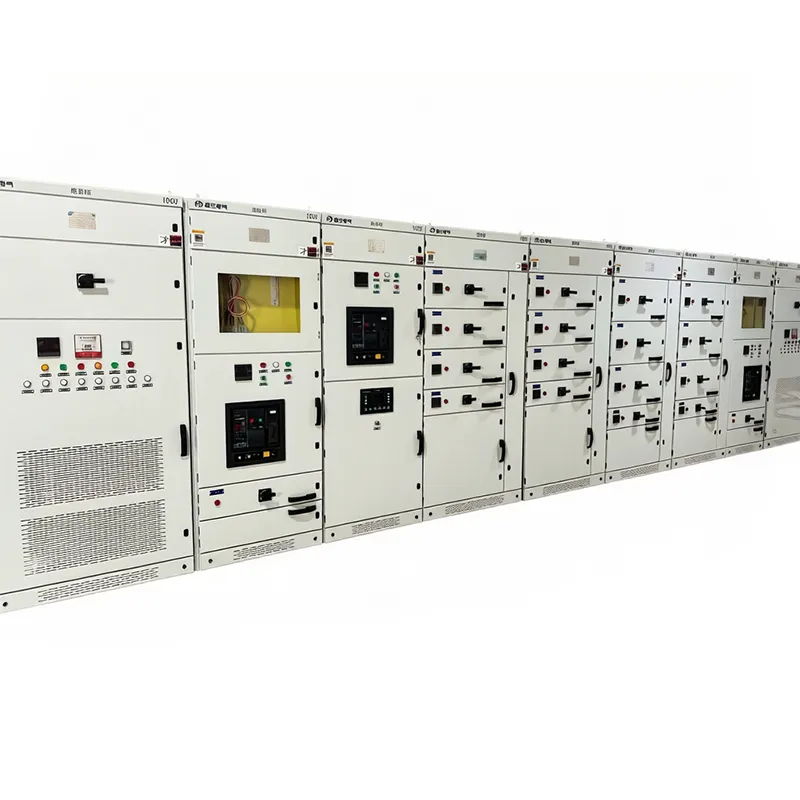

Testing the New Circuit Breaker
Once you've installed the new circuit breaker and reconnected the wires, it's time to test it. First, close the door of the switchgear. Then, turn on the main power switch. Use your voltage tester to check that there's power running to the switchgear.
Next, test the circuit breaker by flipping it on and off a few times. Make sure it trips when you overload the circuit. You can do this by plugging in a high-powered appliance or using a load tester. If the breaker doesn't trip, there might be a problem with the installation. Double-check your connections and make sure the breaker is the right type for your switchgear.
Additional Considerations
When replacing the circuit breaker in your Fixed Type Switchgear, there are a few additional things to keep in mind. First, make sure you follow all the safety guidelines and regulations. Working with electricity can be dangerous, so it's important to take the necessary precautions.
Second, consider upgrading your switchgear if it's old or outdated. Withdrawable Switchgear offers more flexibility and easier maintenance compared to Fixed Type Switchgear. AC Distribution Cabinet and HV LV Switchgear are also great options for different electrical applications.
Contact Us for More Information
If you have any questions or need further assistance with replacing the circuit breaker in your Fixed Type Switchgear, don't hesitate to contact us. As a leading supplier of electrical equipment, we have the expertise and experience to help you with all your electrical needs. Whether you're looking for a new circuit breaker or need advice on maintaining your switchgear, we're here to help.
References
- Electrical Safety Handbook
- Manufacturer's User Manual for Fixed Type Switchgear