As a supplier of Indoor Distribution Boxes, I've had the privilege of working on a wide range of projects, from cozy residential homes to bustling commercial buildings. One of the most common questions I get asked is about the differences in requirements between residential and commercial Indoor Distribution Boxes. In this blog post, I'll delve into the key distinctions, helping you understand why these two types of distribution boxes can't be used interchangeably.
1. Electrical Load and Capacity
The most fundamental difference between residential and commercial Indoor Distribution Boxes lies in the electrical load they need to handle.
Residential Requirements
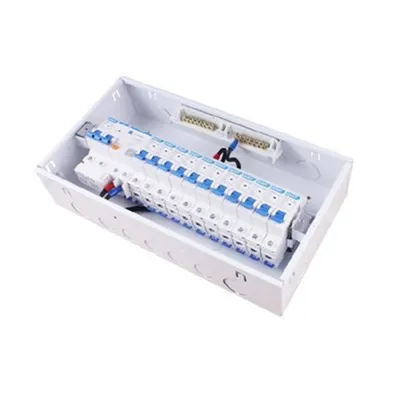
In a typical residential setting, the electrical load is relatively low and stable. Homes usually have a variety of appliances such as refrigerators, televisions, washing machines, and lights. The total power consumption is generally in the range of a few kilowatts. For example, a small family home might have a total electrical load of around 5 - 10 kilowatts. Residential distribution boxes are designed to handle this relatively modest load, with circuit breakers rated for lower amperages, typically 15 - 20 amps for most circuits.
Commercial Requirements
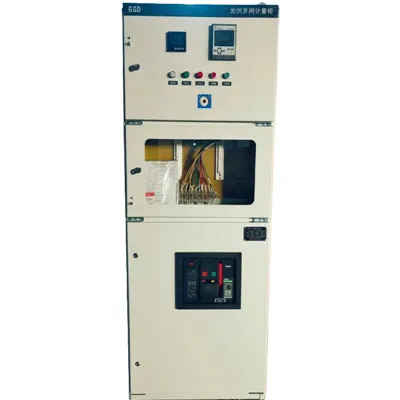
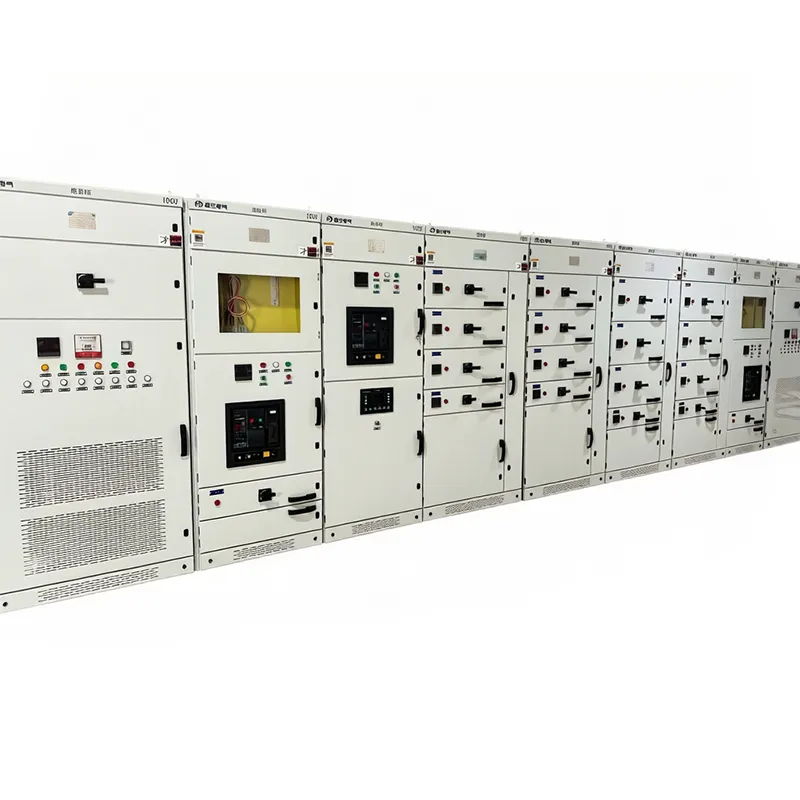
Commercial buildings, on the other hand, have much higher and more complex electrical loads. Offices may have numerous computers, printers, servers, and air - conditioning systems running simultaneously. Retail stores need to power display lights, cash registers, and security systems. Industrial facilities have even more demanding electrical needs, with heavy machinery and large motors. As a result, commercial Indoor Distribution Boxes are designed to handle significantly higher loads, often in the hundreds or even thousands of kilowatts. Circuit breakers in commercial distribution boxes can have ratings of 50 amps or more, and they may be equipped with multiple feeders to distribute power efficiently.
2. Safety and Protection
Safety is a top priority in both residential and commercial settings, but the requirements differ due to the nature of the electrical loads and the potential risks.
Residential Safety
In residential homes, the focus is on protecting the occupants and the property from electrical hazards such as short circuits and overloads. Residential distribution boxes are equipped with basic safety features like circuit breakers and residual current devices (RCDs). RCDs are designed to detect any imbalance in the electrical current, which could indicate a leakage to the ground, and quickly cut off the power to prevent electric shocks. The safety standards for residential distribution boxes are set by local building codes, which aim to ensure a safe living environment for the residents.
Commercial Safety
Commercial environments have more stringent safety requirements. In addition to the basic protection provided by circuit breakers and RCDs, commercial distribution boxes often need to comply with industry - specific safety standards. For example, in a hospital, the distribution box must be designed to ensure uninterrupted power supply to critical medical equipment. This may involve the use of redundant power sources and advanced monitoring systems. Commercial buildings also need to consider fire safety, as electrical faults can be a major cause of fires. Some commercial distribution boxes are equipped with fire - resistant enclosures and arc - fault detection devices to minimize the risk of fire.
3. Installation and Space Requirements
The installation process and space requirements for residential and commercial Indoor Distribution Boxes also vary.
Residential Installation
Residential distribution boxes are typically smaller in size and easier to install. They are often mounted on an interior wall in a utility room or a basement. The installation process is relatively straightforward, and in many cases, it can be done by a licensed electrician in a few hours. Since residential homes have limited space, the distribution box needs to be compact and efficient.
Commercial Installation
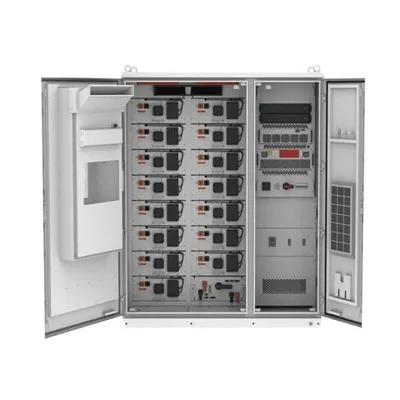
Commercial distribution boxes are much larger and more complex to install. They may require a dedicated electrical room or a large cabinet to house all the components. The installation process involves careful planning and coordination, as it may need to be integrated with other electrical systems in the building. In addition, commercial distribution boxes may need to be installed in a location that is easily accessible for maintenance and repairs, but also secure to prevent unauthorized access.
4. Monitoring and Control
The level of monitoring and control required for residential and commercial distribution boxes is different.
Residential Monitoring
In a residential setting, the monitoring of the distribution box is usually limited to basic functions. Homeowners may be able to check the status of the circuit breakers and detect if a circuit has tripped. Some modern residential distribution boxes are equipped with smart meters that can provide information about the energy consumption of the home, but the level of monitoring is relatively simple.
Commercial Monitoring
Commercial buildings require more comprehensive monitoring and control systems. These systems can track the electrical load in real - time, detect any abnormal electrical behavior, and even remotely control the distribution of power. For example, in a large office building, the facility manager can use a centralized monitoring system to adjust the power supply to different floors based on the occupancy and the time of day. This helps to optimize energy usage and reduce costs.
5. Compliance with Standards and Regulations
Both residential and commercial Indoor Distribution Boxes need to comply with relevant standards and regulations, but the specific requirements are different.
Residential Compliance
Residential distribution boxes must comply with local building codes and electrical safety standards. These standards ensure that the distribution box is safe to use and meets the basic electrical needs of the home. For example, in many countries, residential distribution boxes must be certified by a recognized testing agency to ensure that they meet the required safety standards.
Commercial Compliance
Commercial distribution boxes are subject to more rigorous standards and regulations. In addition to the general electrical safety standards, they may need to comply with industry - specific regulations. For example, in a data center, the distribution box must meet strict standards for power quality and reliability to ensure the proper operation of the servers. Commercial distribution boxes may also need to comply with environmental regulations, such as those related to energy efficiency.
Conclusion
In summary, the requirements for residential and commercial Indoor Distribution Boxes are significantly different. These differences stem from the varying electrical loads, safety needs, installation requirements, monitoring and control needs, and compliance standards. As a supplier of Indoor Distribution Boxes, I understand the importance of providing the right solution for each specific application. Whether you are building a new home or a commercial complex, it is crucial to choose a distribution box that meets your specific requirements.
If you are in the market for an Indoor Distribution Box, whether for a residential or commercial project, I invite you to [contact us for a consultation]. Our team of experts can help you select the most suitable distribution box for your needs and ensure a smooth installation process. We offer a wide range of products, including Low Tension Switchgear, HV LV Switchgear, and High Voltage Panels.

References
- National Electrical Code (NEC)
- International Electrotechnical Commission (IEC) standards
- Local building codes and regulations