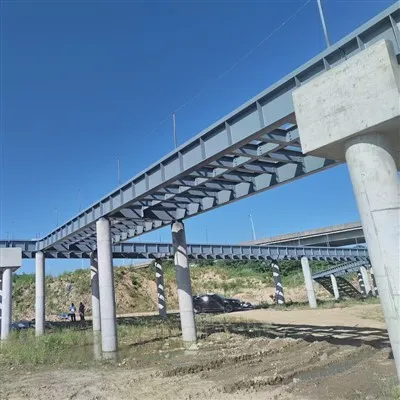
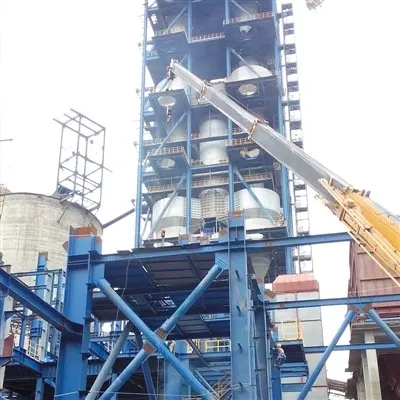
As a supplier of platform steel structures, safety is our top priority. Platform steel structures are widely used in various industries, such as factories, warehouses, and commercial buildings. Ensuring their safety not only protects the lives and property of users but also maintains the stability and reliability of the entire structure. In this blog, we will discuss the safety requirements for platform steel structures.
1. Design Safety
Structural Design
The design of platform steel structures must comply with relevant national and industry standards. Engineers need to conduct detailed load calculations, including dead loads (the weight of the structure itself), live loads (the weight of people, equipment, and materials on the platform), wind loads, and seismic loads. For example, in areas with high wind speeds, the wind load on the platform must be carefully considered to prevent the structure from being damaged by strong winds.
The selection of steel materials is also crucial. High - strength and corrosion - resistant steel should be used to ensure the long - term stability of the structure. The connection design between components, such as bolts, welds, and rivets, must be strong enough to transfer loads effectively. For instance, the welds should be inspected for quality to ensure they meet the design requirements.
Fire Resistance Design
Platform steel structures should have appropriate fire - resistance capabilities. Steel loses its strength rapidly at high temperatures. Therefore, fire - proof coatings can be applied to the steel components to increase their fire - resistance time. The thickness and quality of the fire - proof coatings should be in line with relevant standards. In addition, fire - prevention partitions can be set up on the platform to prevent the spread of fire.
2. Material Safety
Steel Quality
As a platform steel structure supplier, we source high - quality steel from reliable manufacturers. The steel should have a clear origin and quality certification. We conduct strict inspections on the incoming steel, including checking its chemical composition, mechanical properties, and surface quality. For example, the carbon content, manganese content, and other elements in the steel should be within the specified range to ensure its strength and ductility.
Corrosion Protection
Steel is prone to corrosion in humid or corrosive environments. To prevent corrosion, we can use methods such as hot - dip galvanizing, painting, or applying anti - corrosion coatings. Hot - dip galvanizing forms a zinc layer on the surface of the steel, which can effectively isolate the steel from the corrosive medium. The thickness of the zinc layer should meet the relevant standards. Painting is another common method, and the type and quality of the paint should be selected according to the specific environment.
3. Construction Safety
Construction Site Management
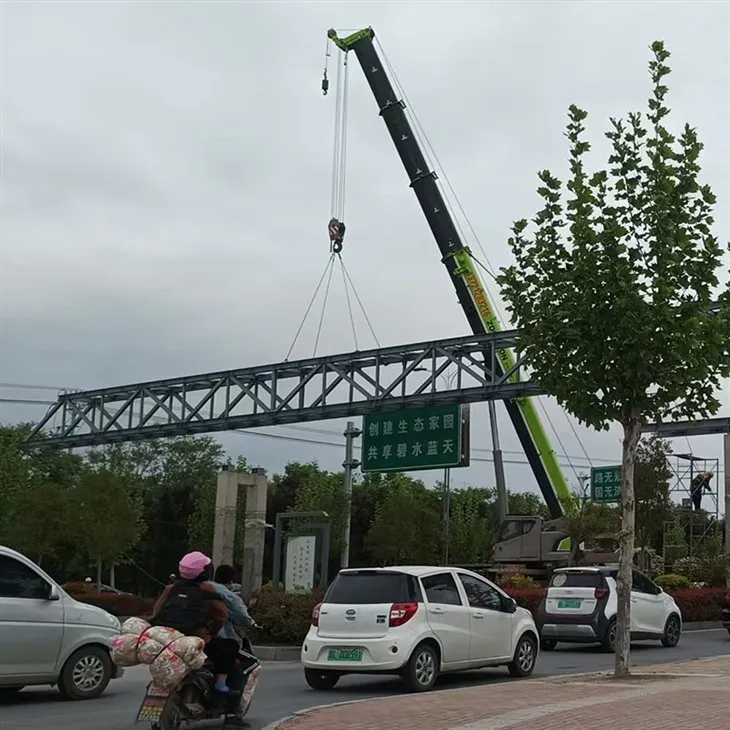
During the construction of platform steel structures, strict site management is required. The construction site should be properly fenced to prevent unauthorized entry. Workers should wear appropriate personal protective equipment, such as helmets, safety belts, and safety shoes. The construction equipment, such as cranes and welding machines, should be regularly maintained and inspected to ensure their safe operation.
Installation Quality
The installation of platform steel structures must be carried out in strict accordance with the design drawings and construction specifications. The components should be accurately positioned and firmly connected. For example, when installing Lattice Column, the verticality and levelness of the column should be carefully adjusted to ensure the overall stability of the structure. Welding and bolting operations should be carried out by qualified workers, and the quality of the connections should be inspected in time.
4. Inspection and Maintenance Safety
Regular Inspections
After the completion of the platform steel structure, regular inspections should be carried out. These inspections include visual inspections, non - destructive testing of welds, and measurement of the deformation of components. Visual inspections can detect obvious defects such as cracks, corrosion, and loose connections. Non - destructive testing methods, such as ultrasonic testing and magnetic particle testing, can detect internal defects in the welds.
Maintenance and Repair
Based on the inspection results, timely maintenance and repair work should be carried out. Corroded parts should be repainted or repaired, and damaged components should be replaced. For example, if a Steel Support Beam For House shows signs of excessive deformation, it should be strengthened or replaced to ensure the safety of the platform.

5. Safety in Special Environments
Seismic Areas
In seismic areas, platform steel structures need to have better seismic performance. The design should consider the seismic force and use appropriate seismic - resistant measures, such as setting up damping devices and increasing the ductility of the structure. The connection between components should be able to withstand the seismic load and prevent the structure from collapsing during an earthquake.
High - altitude and Off - shore Platforms
For high - altitude platforms, additional safety measures are required, such as installing guardrails and safety nets to prevent people from falling. Off - shore platforms are exposed to harsh marine environments, including strong winds, waves, and saltwater corrosion. Special anti - corrosion and anti - wave measures should be taken to ensure the safety of the platform.
6. Safety Training and Education
Worker Training
All workers involved in the design, construction, and maintenance of platform steel structures should receive professional safety training. The training should cover safety regulations, operating procedures, and emergency response measures. For example, workers should be trained on how to use welding equipment safely and how to deal with fire emergencies.
User Education
Users of platform steel structures should also be educated on safety matters. They should be informed about the load - bearing capacity of the platform, the correct way to use the platform, and the potential safety hazards. This can help prevent accidents caused by improper use.
7. Safety Documentation and Records
Design and Construction Documents
All design and construction documents of platform steel structures should be properly archived. These documents include design drawings, material inspection reports, construction records, and test reports. They can provide important references for future inspections, maintenance, and modifications.
Inspection and Maintenance Records
Regular inspection and maintenance records should be kept. These records can show the condition of the platform over time, including the discovery and treatment of defects. They are also important for evaluating the safety performance of the platform and formulating future maintenance plans.
In conclusion, ensuring the safety of platform steel structures requires a comprehensive approach, covering design, material selection, construction, inspection, and maintenance. As a platform steel structure supplier, we are committed to providing high - quality products and services that meet all safety requirements. If you are interested in purchasing platform steel structures or have any questions about safety requirements, please feel free to contact us for further discussion and negotiation.
References
- American Institute of Steel Construction (AISC). Steel Construction Manual.
- National Fire Protection Association (NFPA). Fire Protection Standards.
- International Building Code (IBC). Building Safety Regulations.