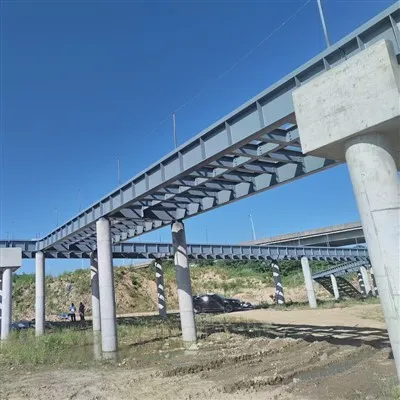
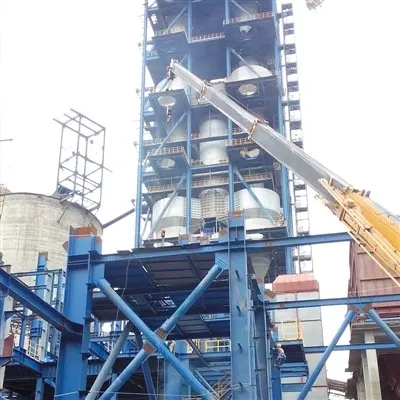
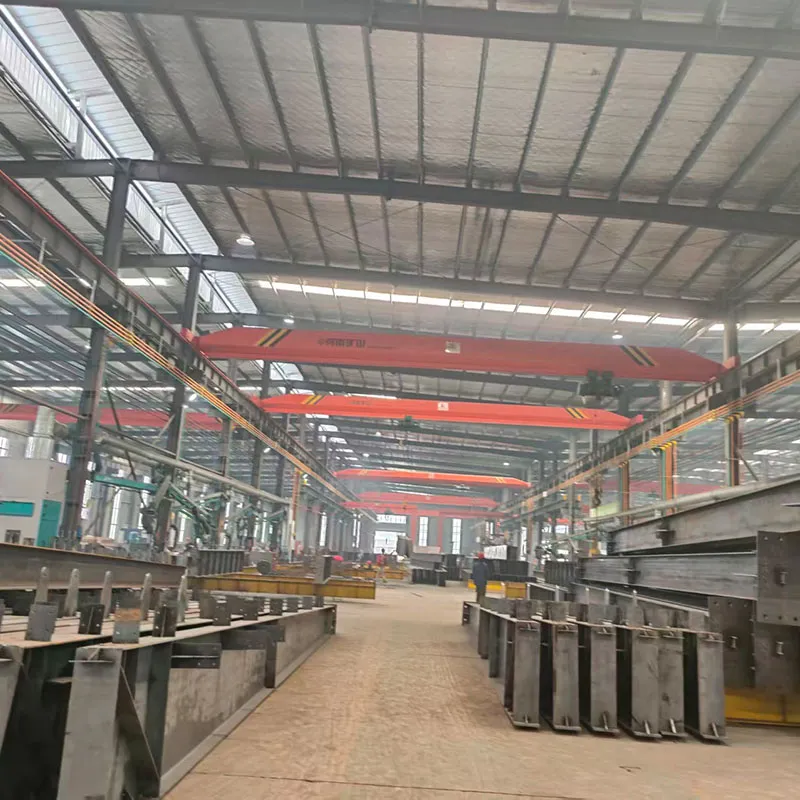
As a supplier of steel truss structures, I've seen firsthand the importance of thorough inspections. Steel truss structures are used in a wide range of applications, from industrial buildings to residential homes. Ensuring their quality and safety is crucial, and that's where inspections come in.
Visual Inspection
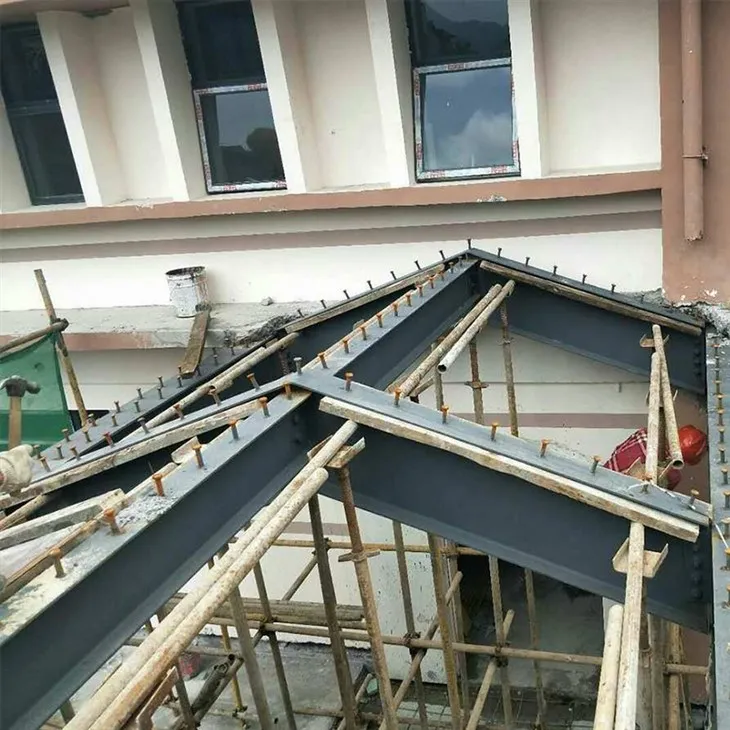
The first step in inspecting a steel truss structure is a visual check. This is a basic but essential part of the process. You're looking for obvious signs of damage, like cracks, corrosion, or deformation. Cracks can weaken the structure, and if left unchecked, they can lead to serious problems. Corrosion is another big issue, especially in areas with high humidity or exposure to chemicals. It can eat away at the steel, reducing its strength.
When you're doing a visual inspection, pay close attention to the connections between the truss members. These are often the most vulnerable parts of the structure. Loose bolts, missing nuts, or damaged welds can all compromise the integrity of the truss. Also, look for any signs of misalignment. If the truss isn't properly aligned, it can put extra stress on certain parts, leading to premature failure.
Dimensional Inspection
Next up is dimensional inspection. This involves measuring the various components of the steel truss to make sure they meet the design specifications. The length, width, and height of the truss members need to be within the specified tolerances. Any significant deviations can affect the overall performance of the structure.
For example, if a truss member is too short or too long, it can cause problems with the fit and alignment. This can lead to uneven stress distribution and potentially cause the truss to fail under load. Using precise measuring tools, like calipers and laser measuring devices, is crucial for accurate dimensional inspection.
Material Testing
Material testing is a critical part of the inspection process. It helps to determine the quality and properties of the steel used in the truss. There are several types of material tests that can be performed.
One common test is the tensile test. This involves pulling a sample of the steel to determine its strength and ductility. By measuring the force required to break the sample, you can get an idea of how well the steel will perform under stress. Another important test is the hardness test. This measures the resistance of the steel to indentation or scratching. A harder steel is generally more durable and less likely to deform under load.
Chemical analysis is also often carried out to check the composition of the steel. Different elements can have a significant impact on the properties of the steel. For example, carbon can increase the strength of the steel, but too much carbon can make it brittle.
Weld Inspection
Welds are a critical part of steel truss structures. They hold the truss members together and transfer the loads between them. That's why weld inspection is so important.
There are several methods for inspecting welds. Visual inspection is the first step. You're looking for obvious defects like cracks, porosity, or lack of fusion. But visual inspection alone isn't enough. Non-destructive testing methods, like ultrasonic testing and magnetic particle testing, can be used to detect internal defects that aren't visible to the naked eye.
Ultrasonic testing uses high-frequency sound waves to detect flaws in the weld. It can provide detailed information about the size and location of any defects. Magnetic particle testing is used to detect surface and near-surface defects in ferromagnetic materials. It's a quick and effective way to identify potential problems in the welds.
Load Testing
Load testing is the final step in the inspection process. It involves applying a specified load to the steel truss to see how it performs under real-world conditions. This helps to ensure that the truss can safely support the loads it's designed for.
During load testing, the truss is carefully monitored for any signs of deformation or failure. Strain gauges are often used to measure the stress and strain in the truss members. This data can be used to evaluate the performance of the truss and make any necessary adjustments.
Load testing can be a complex and time-consuming process, but it's essential for ensuring the safety and reliability of the steel truss structure.
Why Choose Our Steel Truss Structures
At our company, we take pride in providing high-quality steel truss structures. We use the latest inspection techniques to ensure that every truss we produce meets the highest standards. Our experienced team of engineers and technicians is dedicated to delivering products that are safe, reliable, and built to last.
If you're in the market for a steel truss structure, we'd love to hear from you. Whether you're building an industrial Steel Structure Workshop, a Steel Support Beam For House, or a Platform Steel Structure, we have the expertise and resources to meet your needs.
Don't hesitate to contact us to discuss your project and find out how our steel truss structures can benefit you. We're here to help you every step of the way.
References
- "Steel Structures: Design and Practice" by S. K. Duggal
- "Structural Steel Design: A Practice-Oriented Approach" by Suroosh Alavi