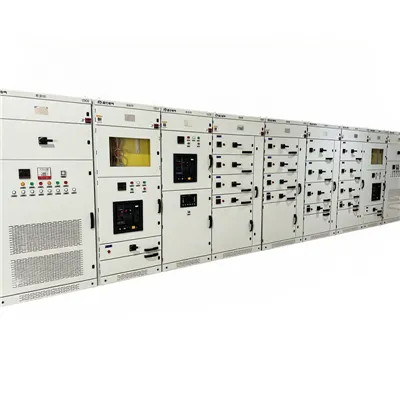
Hey there! As a supplier of HV LV switchgear, I often get asked about the temperature rise limits for LV switchgear. It's a crucial topic because it directly impacts the performance, safety, and lifespan of the equipment. So, let's dive right in and explore this topic in detail.
Why Temperature Rise Matters
First off, why do we even care about temperature rise in LV switchgear? Well, excessive temperature can cause a whole bunch of problems. It can degrade the insulation materials, leading to electrical breakdowns. It can also reduce the mechanical strength of the components, increasing the risk of failure. And let's not forget about the impact on the overall efficiency of the system. When the temperature rises, the resistance of the conductors increases, which means more energy is wasted as heat.
Standards and Regulations
There are several international standards that define the temperature rise limits for LV switchgear. The most widely recognized standard is IEC 60439, which provides guidelines for the design, testing, and performance of low-voltage switchgear and controlgear assemblies. According to this standard, the temperature rise limits are based on the type of equipment, the ambient temperature, and the rated current.
For example, for busbars and connections, the temperature rise limit is typically 65°C above the ambient temperature. This means that if the ambient temperature is 20°C, the maximum temperature of the busbars and connections should not exceed 85°C. For other components, such as circuit breakers and contactors, the temperature rise limits may vary depending on the specific design and application.
Factors Affecting Temperature Rise
There are several factors that can affect the temperature rise in LV switchgear. One of the most important factors is the load current. As the load current increases, the heat generated by the conductors also increases, which can lead to a higher temperature rise. Another factor is the ambient temperature. If the ambient temperature is high, the switchgear will have a harder time dissipating heat, which can also cause the temperature to rise.
The design of the switchgear also plays a role in temperature rise. For example, the size and shape of the conductors, the ventilation system, and the insulation materials can all affect the heat transfer and dissipation. A well-designed switchgear will have proper ventilation and cooling mechanisms to ensure that the temperature remains within the acceptable limits.
Monitoring and Control
To ensure that the temperature rise in LV switchgear remains within the acceptable limits, it's important to monitor and control the temperature. There are several ways to do this, including using temperature sensors, thermographs, and infrared cameras. These tools can provide real-time information about the temperature of the switchgear, allowing you to take appropriate action if the temperature rises above the limit.
In addition to monitoring, it's also important to control the temperature. This can be done by adjusting the load current, improving the ventilation, or using cooling systems. For example, if the temperature of the switchgear is too high, you can reduce the load current or increase the ventilation to help dissipate the heat.
Our Products and Solutions
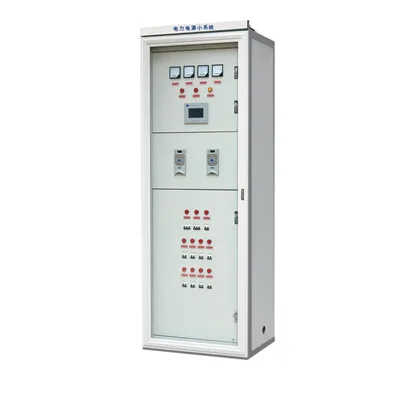
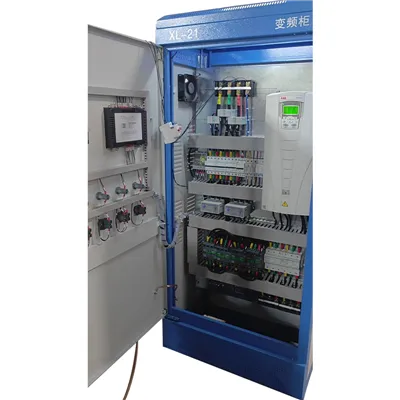
As a supplier of HV LV switchgear, we offer a wide range of products and solutions to meet the needs of our customers. Our LV switchgear is designed to meet the highest standards of quality and performance, and it is equipped with advanced features to ensure reliable operation.
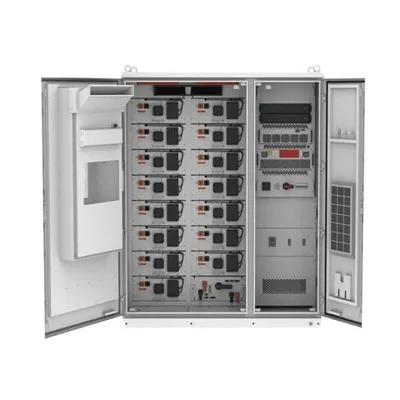
One of our popular products is the Energy Storage Cabinet. This cabinet is designed to store energy from renewable sources, such as solar and wind, and to provide backup power during outages. It is equipped with advanced battery management systems and safety features to ensure reliable operation.

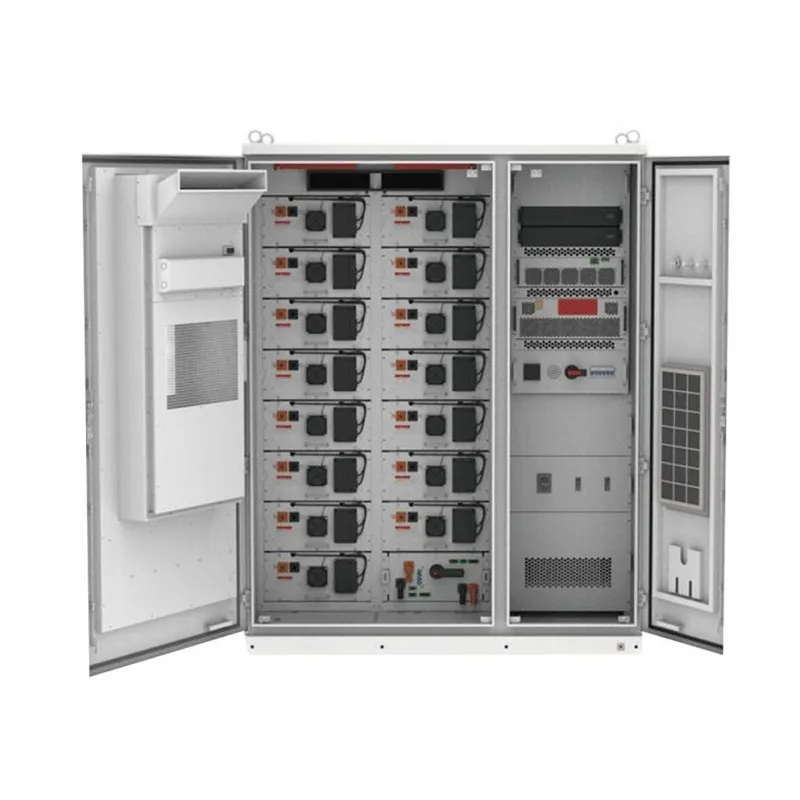
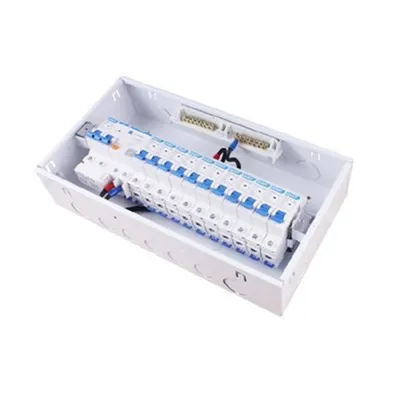
Another product we offer is the Indoor Distribution Box. This box is designed to distribute power to different loads in a building or facility. It is equipped with circuit breakers, fuses, and other protective devices to ensure the safety of the electrical system.
We also offer the PV Distribution Box, which is designed to distribute power from solar panels to the electrical grid. This box is equipped with maximum power point tracking (MPPT) technology to optimize the energy output of the solar panels.
Conclusion
In conclusion, the temperature rise limits for LV switchgear are an important consideration for the performance, safety, and lifespan of the equipment. By understanding the factors that affect temperature rise and taking appropriate measures to monitor and control the temperature, you can ensure that your switchgear operates reliably and efficiently.
If you're interested in learning more about our HV LV switchgear products and solutions, or if you have any questions about temperature rise limits, please don't hesitate to contact us. We'd be happy to help you find the right solution for your needs.
References
- IEC 60439: Low-voltage switchgear and controlgear assemblies
- National Electrical Code (NEC)
- IEEE Standards for Electrical Safety in the Workplace