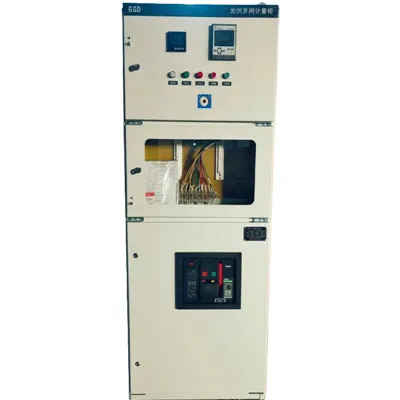
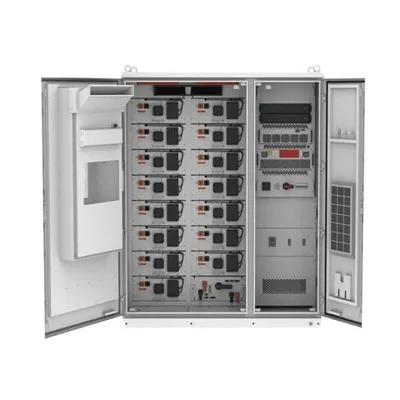
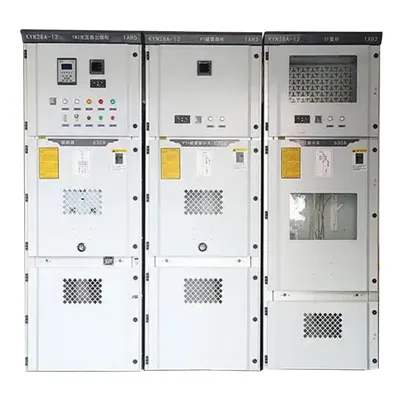
In today's rapidly evolving energy landscape, energy storage cabinets have emerged as a cornerstone for efficient power management and grid stability. As a leading supplier of energy storage cabinets, we understand the critical role these systems play in various industries. One of the most significant features of our energy storage cabinets is their remote monitoring capabilities, which not only enhance operational efficiency but also provide valuable insights into the system's performance.
Real - time Data Acquisition
Remote monitoring of an energy storage cabinet starts with real - time data acquisition. Our cabinets are equipped with a comprehensive set of sensors that continuously measure key parameters such as battery voltage, current, temperature, and state of charge (SOC). These sensors are highly accurate and reliable, ensuring that the data collected is precise and up - to - date.
The voltage sensors monitor the electrical potential across the battery cells, which is crucial for assessing the battery's health and performance. Abnormal voltage levels can indicate issues such as overcharging, undercharging, or cell imbalance. By continuously monitoring the voltage, operators can take proactive measures to prevent potential problems and extend the battery's lifespan.
Current sensors measure the flow of electrical current in and out of the battery. This information is essential for understanding the power consumption and charging patterns of the energy storage system. For example, during peak demand periods, the current sensors can help determine how much power is being drawn from the battery to meet the load requirements.
Temperature sensors are also vital components of the monitoring system. Batteries are sensitive to temperature, and extreme temperatures can significantly affect their performance and lifespan. By monitoring the temperature of the battery cells, we can ensure that they operate within the optimal temperature range. If the temperature exceeds the safe limit, the monitoring system can trigger cooling mechanisms or alert the operators to take corrective action.
The state of charge (SOC) is another critical parameter that is continuously monitored. SOC indicates the amount of energy remaining in the battery, similar to the fuel gauge in a car. Accurate SOC monitoring allows operators to plan for energy usage and ensure that the battery is not over - discharged, which can cause irreversible damage.
Data Transmission and Communication
Once the data is collected, it needs to be transmitted to a central monitoring station. Our energy storage cabinets are equipped with advanced communication modules that support various communication protocols, such as Ethernet, Wi - Fi, and cellular networks. This flexibility allows us to connect the cabinets to the monitoring system regardless of the location.
The data is transmitted in a secure and encrypted format to protect the privacy and integrity of the information. The monitoring station can be located on - site or in a remote data center, depending on the customer's requirements. Operators can access the monitoring system through a web - based interface or a dedicated mobile application, which provides real - time data visualization and analysis.
Fault Detection and Alerts
One of the key benefits of remote monitoring is the ability to detect faults and anomalies in the energy storage system. The monitoring software analyzes the collected data using advanced algorithms to identify any deviations from the normal operating conditions. For example, if the battery voltage suddenly drops or the temperature rises above the normal range, the system will generate an alert.


These alerts can be sent to the operators via email, SMS, or push notifications on their mobile devices. The operators can then quickly respond to the issue and take appropriate action. In some cases, the monitoring system can even automatically initiate corrective actions, such as shutting down the system to prevent further damage.
Performance Analysis and Optimization
Remote monitoring also provides valuable insights into the performance of the energy storage system over time. By analyzing the historical data, operators can identify trends and patterns in the system's operation. For example, they can determine the peak demand periods, the average energy consumption, and the efficiency of the battery charging and discharging cycles.
This information can be used to optimize the operation of the energy storage system. For instance, operators can adjust the charging and discharging schedules based on the demand patterns to maximize the energy efficiency and reduce the operating costs. They can also identify any underperforming components and take steps to improve their performance.
Integration with Other Systems
Our energy storage cabinets can be integrated with other power distribution and management systems, such as Low Tension Switchgear, Explosion Proof Distribution Cabinet, and High Voltage Electrical Switchgear. This integration allows for a more comprehensive and coordinated approach to power management.
For example, the energy storage system can be integrated with the low - tension switchgear to provide backup power during power outages. The monitoring system can communicate with the switchgear to ensure a seamless transition between the grid power and the battery power. Similarly, the integration with the high - voltage electrical switchgear can help manage the power flow in a high - voltage distribution network, improving the overall stability and reliability of the grid.
Scalability and Flexibility
Our remote monitoring solution is highly scalable and flexible, allowing it to be customized to meet the specific needs of different customers. Whether you have a small - scale energy storage system for a residential application or a large - scale system for an industrial facility, our monitoring system can be easily configured to monitor and manage the system effectively.
The monitoring system can also be expanded as the energy storage system grows. Additional sensors and communication modules can be added to the cabinets to increase the monitoring capabilities. This scalability ensures that the monitoring system can adapt to the changing requirements of the energy storage system over time.
Contact for Procurement
If you are interested in learning more about our energy storage cabinets and their remote monitoring capabilities, we encourage you to reach out to us. Our team of experts is ready to provide you with detailed information, answer your questions, and discuss how our solutions can meet your specific needs. We look forward to the opportunity to work with you and help you optimize your energy management.
References
- [Author's Name, Book Title, Publisher, Publication Year]
- [Research Paper Title, Journal Name, Volume, Issue, Page Numbers, Publication Year]
- [Website Name, URL, Accessed Date]