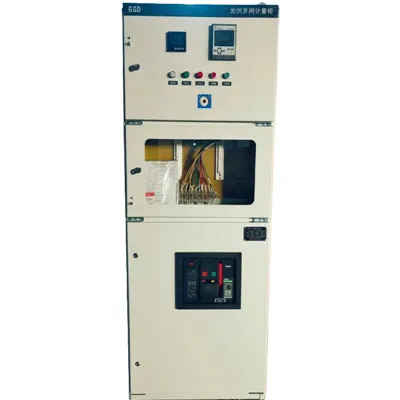
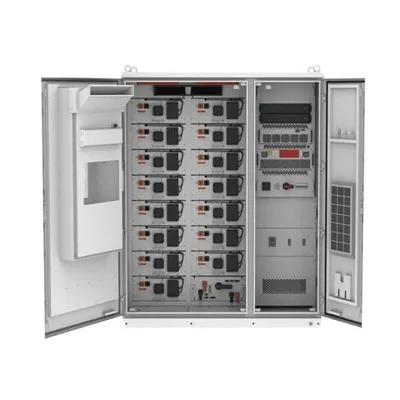
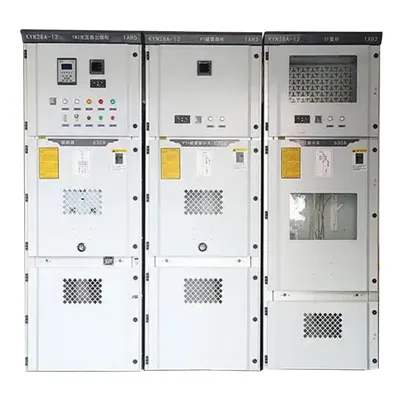
As a PV Grid Connected Cabinet supplier, I've seen firsthand the importance of reducing energy loss in these cabinets. It's not just about saving money; it's also about making our energy systems more efficient and sustainable. In this blog, I'll share some practical tips on how to cut down on energy loss in PV Grid Connected Cabinets.
Understanding Energy Loss in PV Grid Connected Cabinets
Before we dive into solutions, it's crucial to understand where energy loss occurs in these cabinets. There are several factors at play, including electrical resistance, heat generation, and inefficient components.
Electrical resistance is a major culprit. When electricity flows through wires and components, it encounters resistance, which converts some of the electrical energy into heat. This heat is essentially wasted energy. Additionally, if the cabinet is not well-insulated, heat can escape, further contributing to energy loss.
Inefficient components can also lead to energy waste. For example, outdated or low-quality switches and relays may consume more power than necessary. These components may not be able to handle the electrical load efficiently, resulting in additional energy loss.
Tips to Reduce Energy Loss
1. Use High - Quality Components
Investing in high - quality components is one of the most effective ways to reduce energy loss. For instance, using low - resistance wires can significantly decrease the amount of energy lost due to electrical resistance. High - efficiency switches and relays can also operate more effectively, reducing power consumption.
When choosing components, look for those with high energy efficiency ratings. For example, HV LV Switchgear is designed to handle high and low voltage applications efficiently, minimizing energy loss. These switchgears are built with advanced technology that reduces electrical resistance and improves overall performance.
2. Optimize Cabinet Design
The design of the PV Grid Connected Cabinet plays a crucial role in energy efficiency. A well - designed cabinet should have proper ventilation to dissipate heat effectively. Heat can cause components to malfunction and increase energy consumption. By ensuring good airflow, you can keep the temperature inside the cabinet at an optimal level.
Insulation is another important aspect of cabinet design. Using high - quality insulation materials can prevent heat from escaping, reducing the energy needed to maintain the internal temperature. Additionally, a compact and well - organized cabinet layout can reduce the length of wires, which in turn decreases electrical resistance.
3. Implement Smart Monitoring and Control Systems
Smart monitoring and control systems can help you keep track of energy consumption in real - time. These systems can detect any abnormal energy usage patterns and alert you immediately. By identifying and addressing energy - wasting issues promptly, you can prevent significant energy loss.
For example, you can use sensors to monitor the temperature, humidity, and electrical parameters inside the cabinet. Based on the data collected, the control system can adjust the operation of components, such as fans and heaters, to optimize energy consumption.
4. Regular Maintenance
Regular maintenance is essential for ensuring the efficient operation of PV Grid Connected Cabinets. Over time, components can wear out, and connections can become loose, leading to increased energy loss. By performing regular inspections and maintenance, you can identify and fix these issues before they cause significant problems.
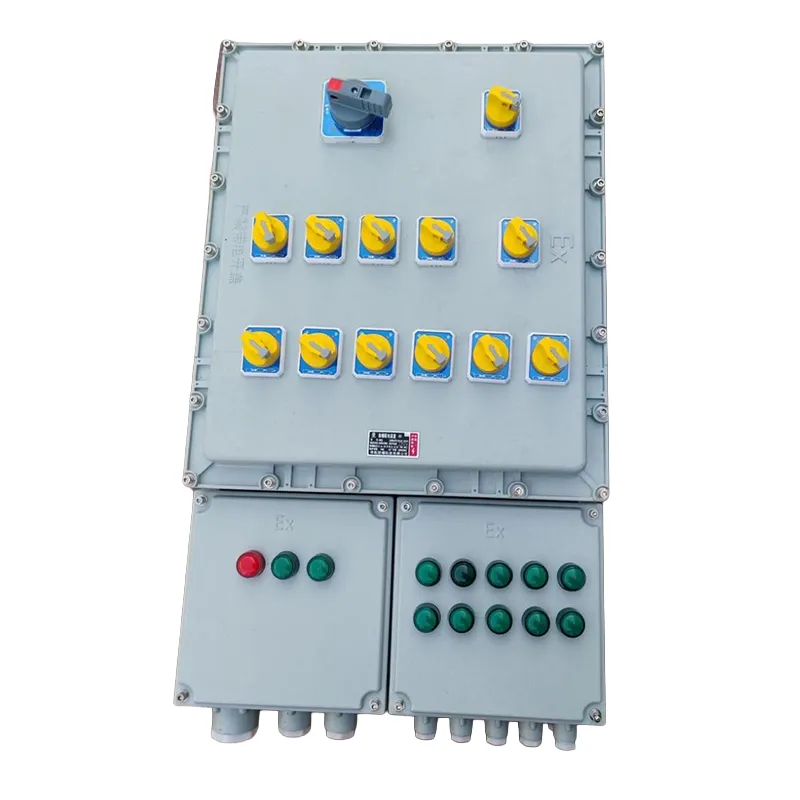
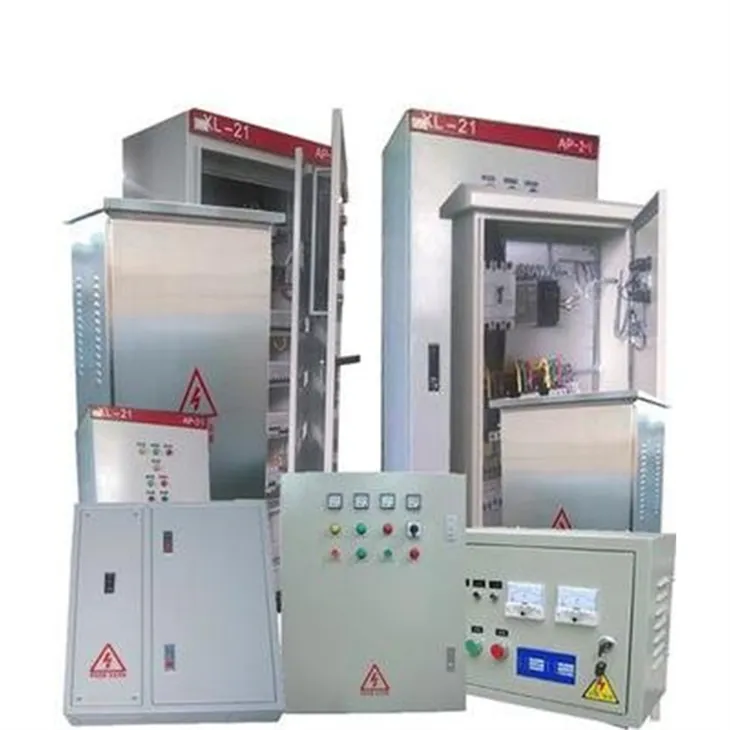
During maintenance, check for any signs of corrosion, damage, or loose connections. Clean the components and replace any worn - out parts. This not only reduces energy loss but also extends the lifespan of the cabinet.
5. Consider Energy - Saving Technologies
There are several energy - saving technologies available that can be integrated into PV Grid Connected Cabinets. For example, VFD Cabinet (Variable Frequency Drive Cabinet) can adjust the speed of motors according to the load requirements. This can significantly reduce energy consumption, especially in applications where the motor load varies.
Another technology is the use of energy - efficient lighting inside the cabinet. LED lights consume less energy and generate less heat compared to traditional incandescent lights.
Case Studies
Let's take a look at a couple of case studies to see how these strategies can be applied in real - world scenarios.
Case Study 1: A solar power plant was experiencing high energy loss in its PV Grid Connected Cabinets. After conducting a detailed analysis, it was found that the cabinets were using low - quality switches and relays. The plant replaced these components with high - efficiency HV LV Switchgear. As a result, the energy loss was reduced by 20%, leading to significant cost savings.
Case Study 2: A small - scale solar installation had issues with overheating in its cabinets. By implementing a smart monitoring system and improving the ventilation design, the temperature inside the cabinets was kept under control. This not only reduced energy loss but also improved the reliability of the components.
Conclusion
Reducing energy loss in PV Grid Connected Cabinets is a multi - faceted challenge, but it's definitely achievable. By using high - quality components, optimizing cabinet design, implementing smart monitoring systems, performing regular maintenance, and considering energy - saving technologies, you can significantly cut down on energy waste.
If you're in the market for PV Grid Connected Cabinets or want to improve the energy efficiency of your existing cabinets, don't hesitate to reach out. We're here to help you find the best solutions for your specific needs. Whether you need HV LV Switchgear, Explosion Proof Distribution Cabinet, or VFD Cabinet, we've got you covered. Let's work together to make your energy systems more efficient and sustainable.
References
- "Energy Efficiency in Electrical Systems" - Electrical Engineering Journal
- "Optimizing PV Grid Connected Cabinet Design" - Renewable Energy Research Report