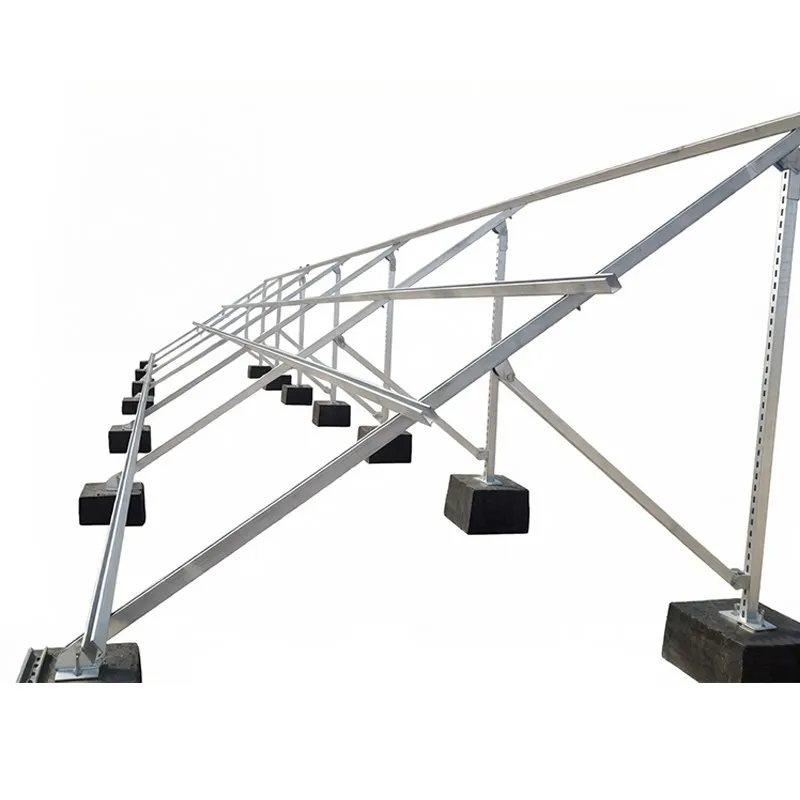
Regarding material selection and resource utilization, modern steel structural supports predominantly utilize recyclable carbon structural steel or low-alloy high-strength steel. Production processes are designed to minimize waste; specifically, cutting and fabrication operations are optimized to maximize material yield, thereby achieving highly efficient resource utilization. Scrap and offcuts undergo recycling and processing, allowing them to be remelted and reused, which significantly reduces the depletion of natural resources.
Environmental sustainability principles are also reflected in manufacturing processes and energy consumption control. The adoption of high-efficiency processing equipment and automated welding technologies not only enhances precision and quality but also reduces energy consumption and minimizes harmful gas emissions. For surface anti-corrosion treatments, priority is given to low-VOC (volatile organic compound) and low-pollution coatings, or hot-dip galvanizing processes, to mitigate adverse impacts on air, water sources, and soil, thereby lowering the overall environmental burden.
Sustainability remains a key focus during the operational and maintenance phases of steel structural supports as well. These structures are engineered to be robust and durable, thereby reducing the need for frequent replacement and repairs; furthermore, their modular design facilitates easy disassembly and reuse. Upon reaching the end of their service life, discarded supports can be recycled and reprocessed, thereby embodying a comprehensive "whole-lifecycle" environmental philosophy that aligns with the principles of green building and sustainable development.